Best Treatments for Color-Treated or Chemically Processed Hair Extensions
Bleached and chemically treated extensions need more than basic hydration. Here’s how to keep them soft, smooth, and manageable for longer.

Chemically treated extensions, whether bleached, toned, or smoothed, usually look incredible the day they’re installed. Then the honeymoon ends. Two washes later, the hair feels like straw. This happens because chemical processing spikes porosity and leaves the cuticles frayed and lifted. When that happens, your extensions don't just feel rough; they tangle, mat, and lose their shine.
Clients won’t tell you their hair has high porosity. Instead, they’ll say the hair is shedding, tangling, or matting, and often assume the problem is the hair quality or the installation. To stay ahead of this, aftercare has to change. Once the hair fibers have been chemically altered, maintenance isn’t just about routine washing; it requires a more deliberate approach to protecting and stabilizing the hair.

The Science of Hydration
Research shows that peroxide-based bleaching breaks down disulfide bonds through oxidation, which damages both the inner cortex and the outer cuticle of the hair. This lowers the hair's tensile strength and increases friction. The result? Water rushes into the hair shaft and immediately rushes back out. Applying hydration without a way to retain it is a trap. You need the right treatment class, applied the right way, without melting your attachment points.
We’ve all seen a client come back after three weeks saying she used salon-quality products, yet her mid-lengths are tangled, and her ends feel stiff. She likely hydrated the hair, but failed to seal it. Even worse, she probably applied heavy conditioner too close to the bonds or tapes, trading softness for slippage.
The Fix
A deep conditioner isn’t a magic fix. It’s a way to deliver helpful ingredients to your hair. You need to choose the right one based on the kind of hair damage you’re dealing with that day.
| Treatment Class | The Mission | The Active Example |
| Bond-Builder | Reinforce internal structure | Low-molecular amino acid complexes |
| Acid-Balanced Mask | Reseal the cuticle; add slip | Citric or lactic acid rinses |
| Protein-Rich Mask | Patch weak, gummy spots | Hydrolyzed Rice Protein |
| Humectant-Rich | Bind water for softness | Glycerin or panthenol blends |
| Emollient/Oil-Rich | Smooth the surface | Plant oils or fatty alcohols (mid-lengths only) |
pH Isn’t Marketing
Processed hair lives with its scales up. To bring them down, you need cuticle control. Natural hair sits around a pH of 4.5 to 5.5. Using acid-balanced conditioning encourages those cuticles to lay flat, which preserves shine and keeps moisture locked inside. This is why a quick 5-minute acidic mask usually beats a 20-minute generic moisturizing mask.

The Extension-Safe Protocol
- The Dry Detangle: Always use a flexible brush on dry hair first. Processed extensions are most vulnerable when wet; if you tug them, they snap.
- Strategic Cleansing: Be gentle at the roots. Squeeze out every drop of excess water before masking. Don't let a wet head dilute your expensive treatments.
- The Safe Zone: Apply treatments from the mid-lengths down. Keep a no treatment zone around your tapes, beads, or keratin bonds.
- Target the Trouble:
-
Breaking? → Strength + Reinforcement
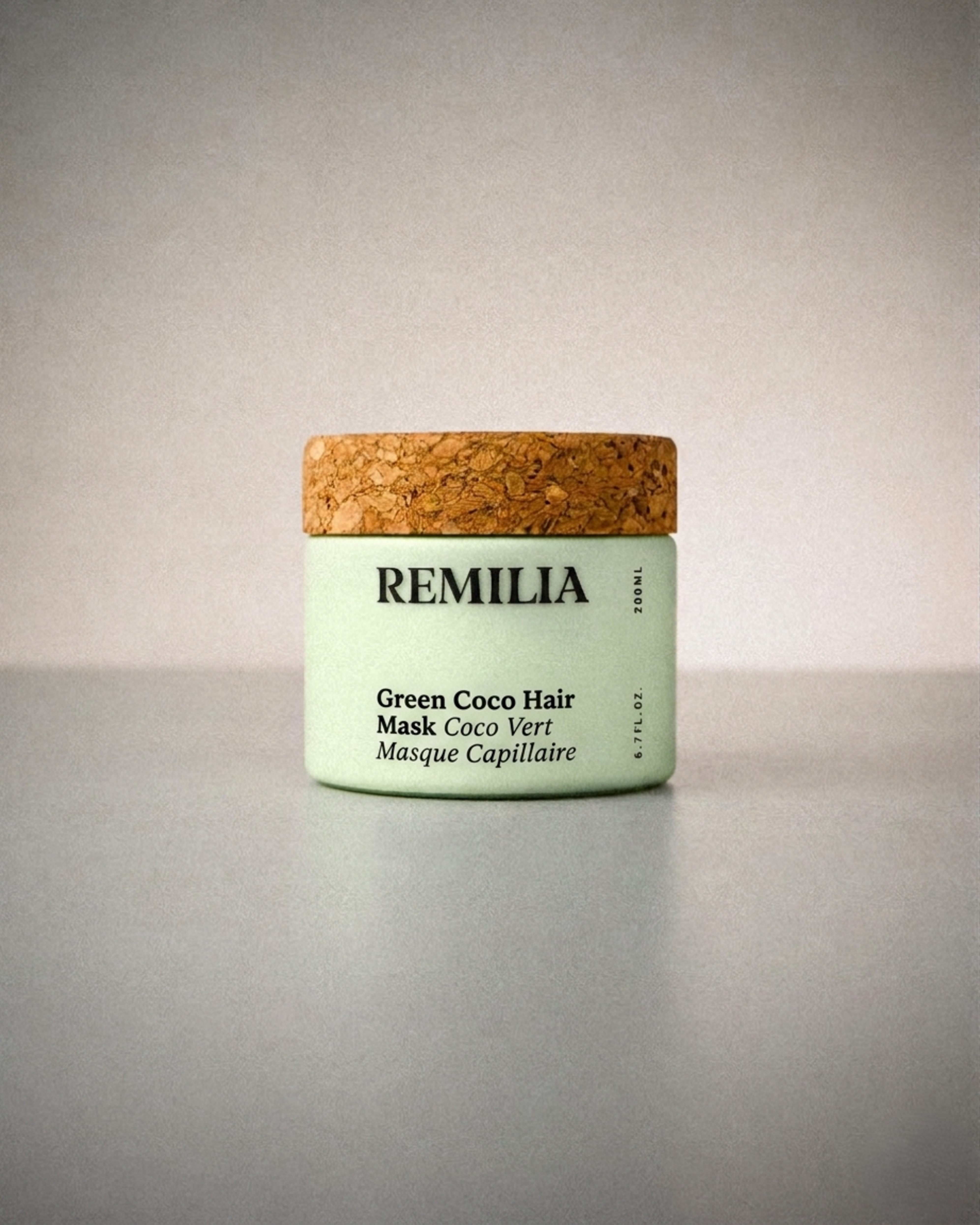
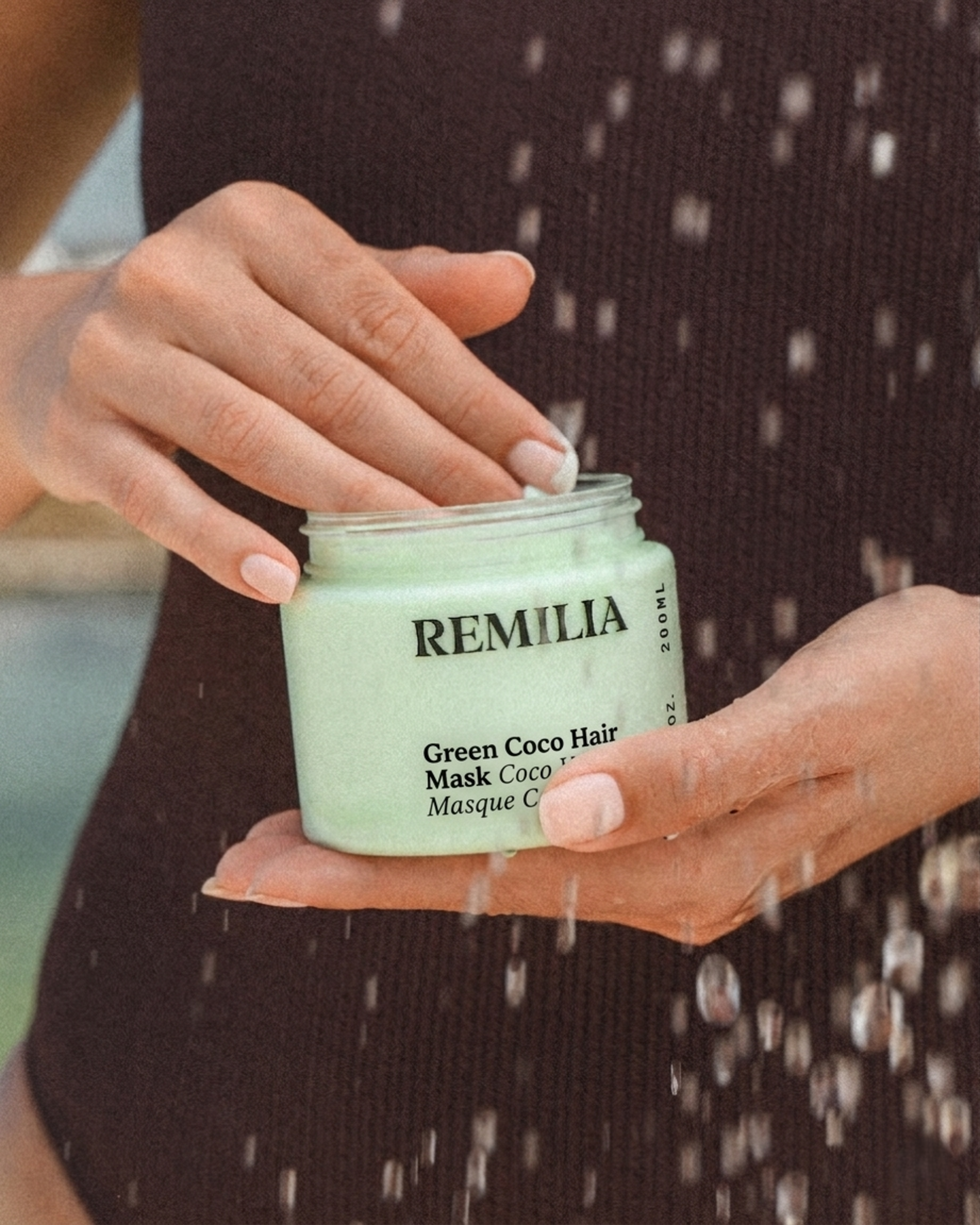
Reach for the Green Coco Hair Mask. It’s packed with amino acids and hydrolyzed proteins that help reinforce weakened strands and improve strength—especially useful for extensions that have been color-treated or heat-stressed. -
Frizzy / Dull? → Smooth + Seal the Cuticle
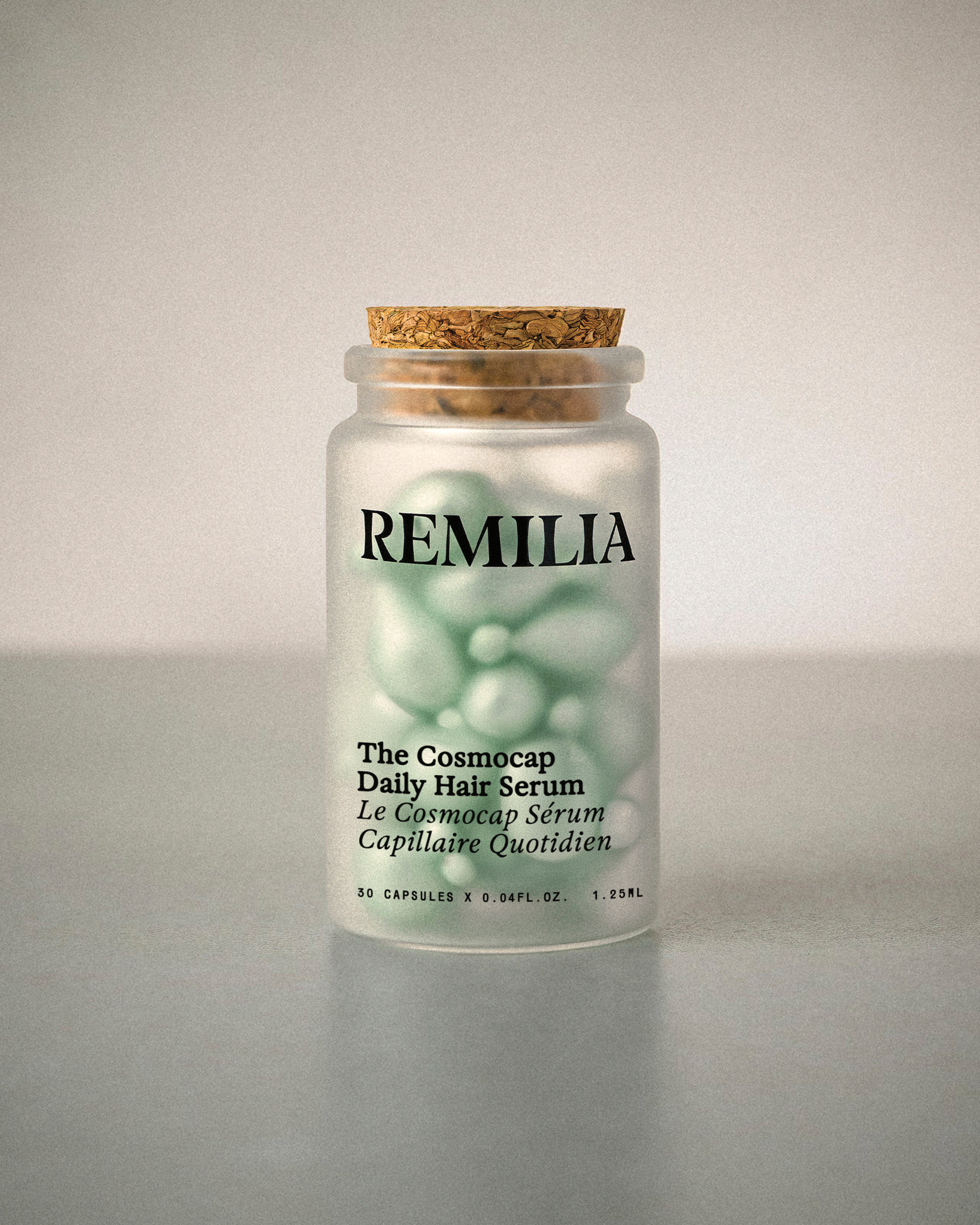
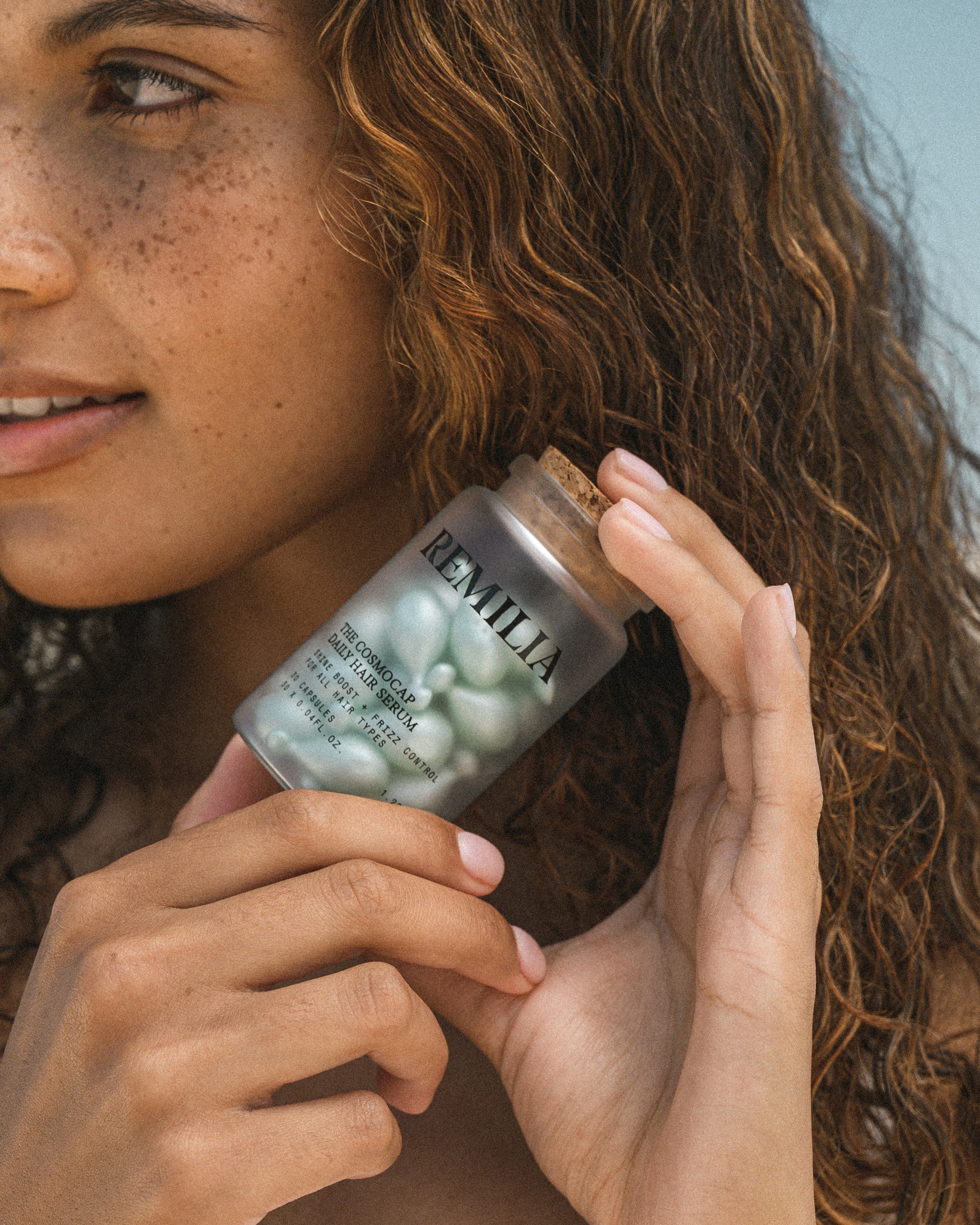
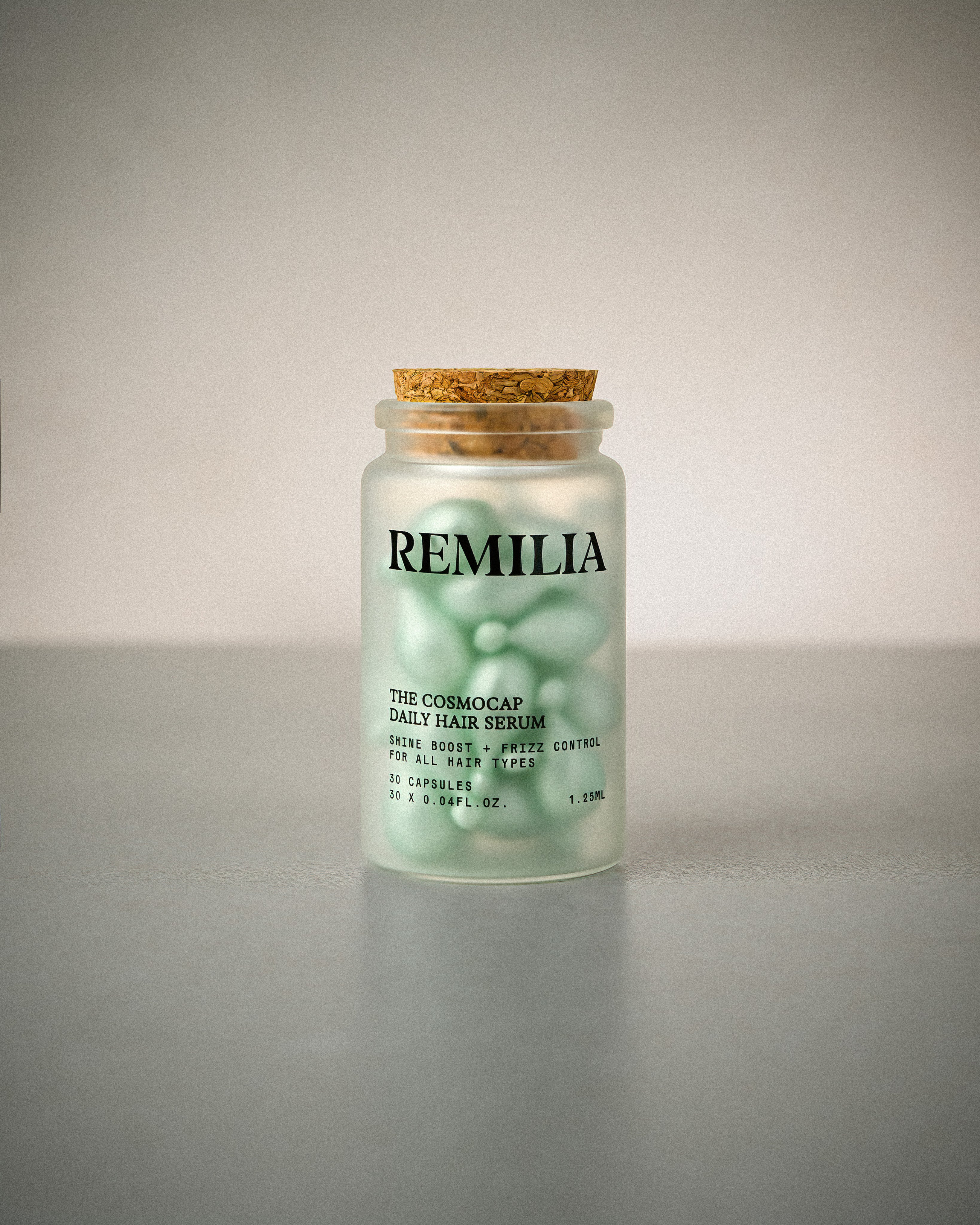
Use The Cosmocap Daily hair serum to polish the surface and control frizz. For extra prep, layer with the Rice & Shine Leave-In Conditioner which helps detangle and smooth the cuticle for a shinier, more controlled finish. -
Gummy? → Rebalance with Protein
That stretchy feeling usually means protein loss. The Green Coco Hair Mask delivers hydrolyzed rice protein and quinoa to restore structure and elasticity without making the hair brittle. -
Stiff? → Restore Moisture + Flexibility
Go lighter and focus on hydration. The Rice & Shine Leave-In Conditioner uses oils, B5, and conditioning agents to bring back softness and movement without overloading the hair.
- Heat with Caution: Indirect heat can help penetration, but keep it far away from adhesives.
- Seal and Protect: Always finish with a leave-in and thermal protection before touching a hot tool.
How often to Treat:
- Bleached/Toned: Weekly.
- Stable/Healthy: Every other week.
- Gummy Hair: Protein every 1–3 weeks.

The Remilia Approach to Salon Quality
If you want a routine that’s safe for extensions without turning your bathroom into a science experiment, it helps to choose systems designed with structure in mind. You don’t necessarily need more products. You need a plan based on treatment classes, pH, and the nutrients your hair really needs.
Remilia gives your hair exactly what it needs because every product is designed to work together. You get a complete system that keeps your extensions looking soft, strong, and healthy for the long run.