Reading Past the Marketing on Your Hair Mask and Serum
Repair claims are the first thing shoppers look for, and the first thing worth reading skeptically. Here's how to tell real specificity from filler.
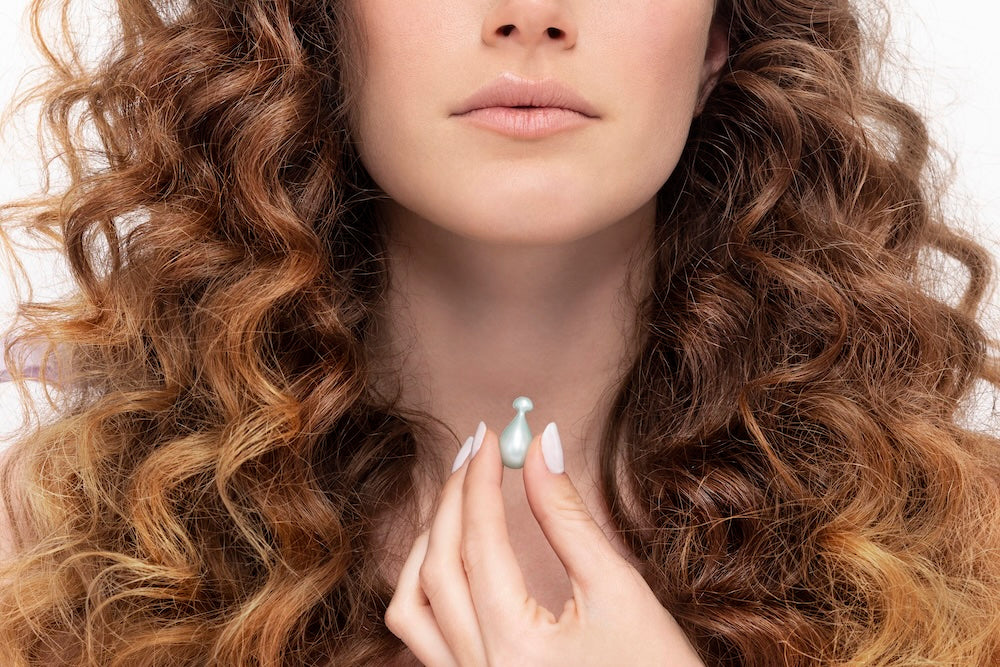
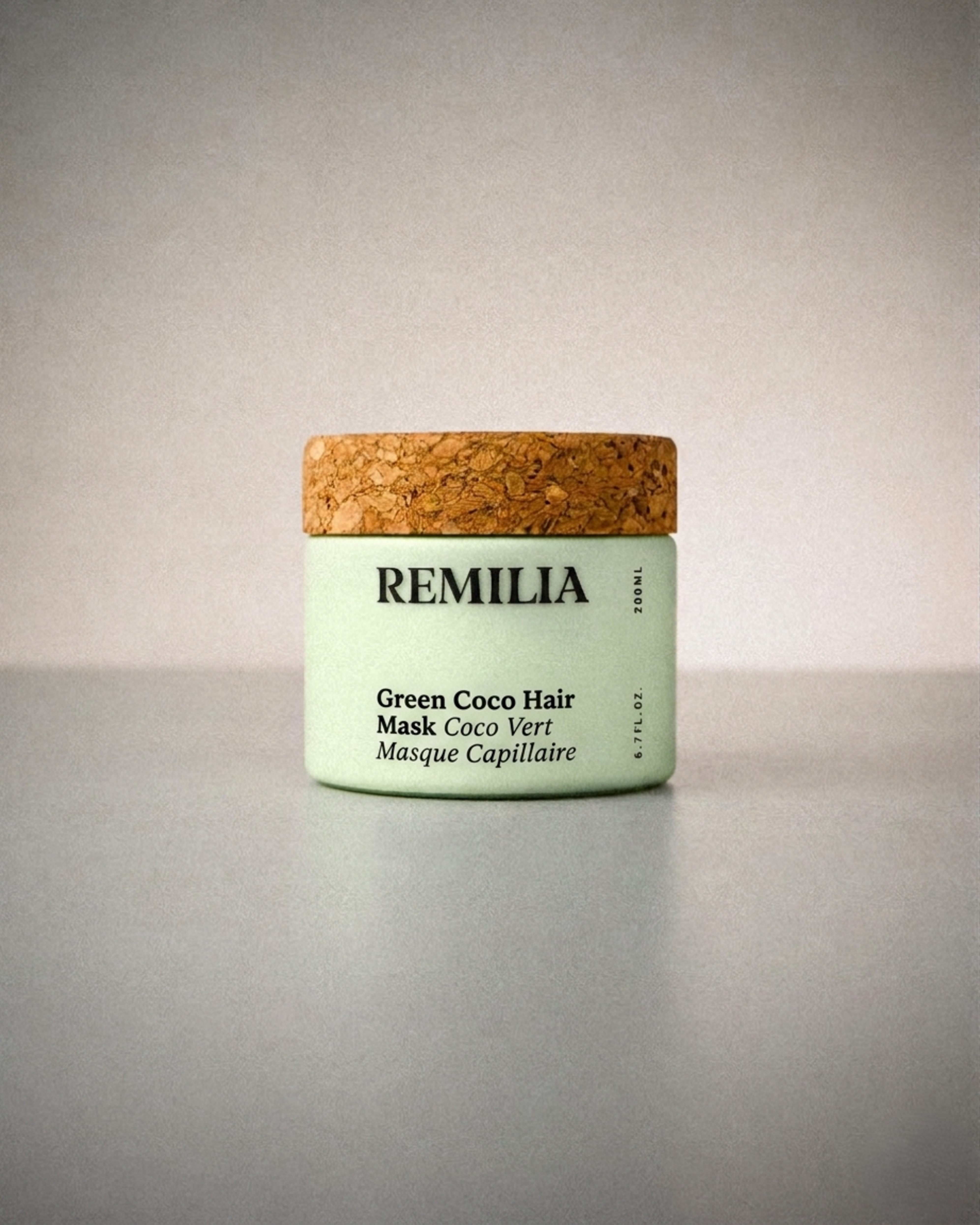
When people shop for a hair mask, repair claims are usually the first thing they look for, which is exactly why label language deserves a closer read. Terms like "intensely repairing" or "clinically proven" sound specific without actually promising anything you can verify before checkout. A claim worth trusting names a number, a method, and a timeframe. Learn to look for those three things, and it becomes much easier to tell a real assertion from marketing filler.
Why "Intensely Repairing" Doesn't Actually Tell You Anything
Words like repairing, nourishing, or intensely hydrating describe a sensation, not a result you can point to. None of that makes them dishonest, exactly, but it does mean there's nothing behind them you can independently confirm. No figure is attached, and no testing standard backs up the phrase. The product itself might perform beautifully, but the wording alone offers you nothing concrete to base that expectation on until you've bought it and lived with it for a while.
The Three Details Verifiable Messaging Needs
Real specificity changes when you know what to look for. A stated percentage change in breakage, tracked over weeks and a brand's named method, clearly shows what was measured, test duration, and results. It won't predict how every hair reacts, but provides tangible proof instead of just feelings.
Why "Repairs Damage" Isn't Specific Enough on Its Own
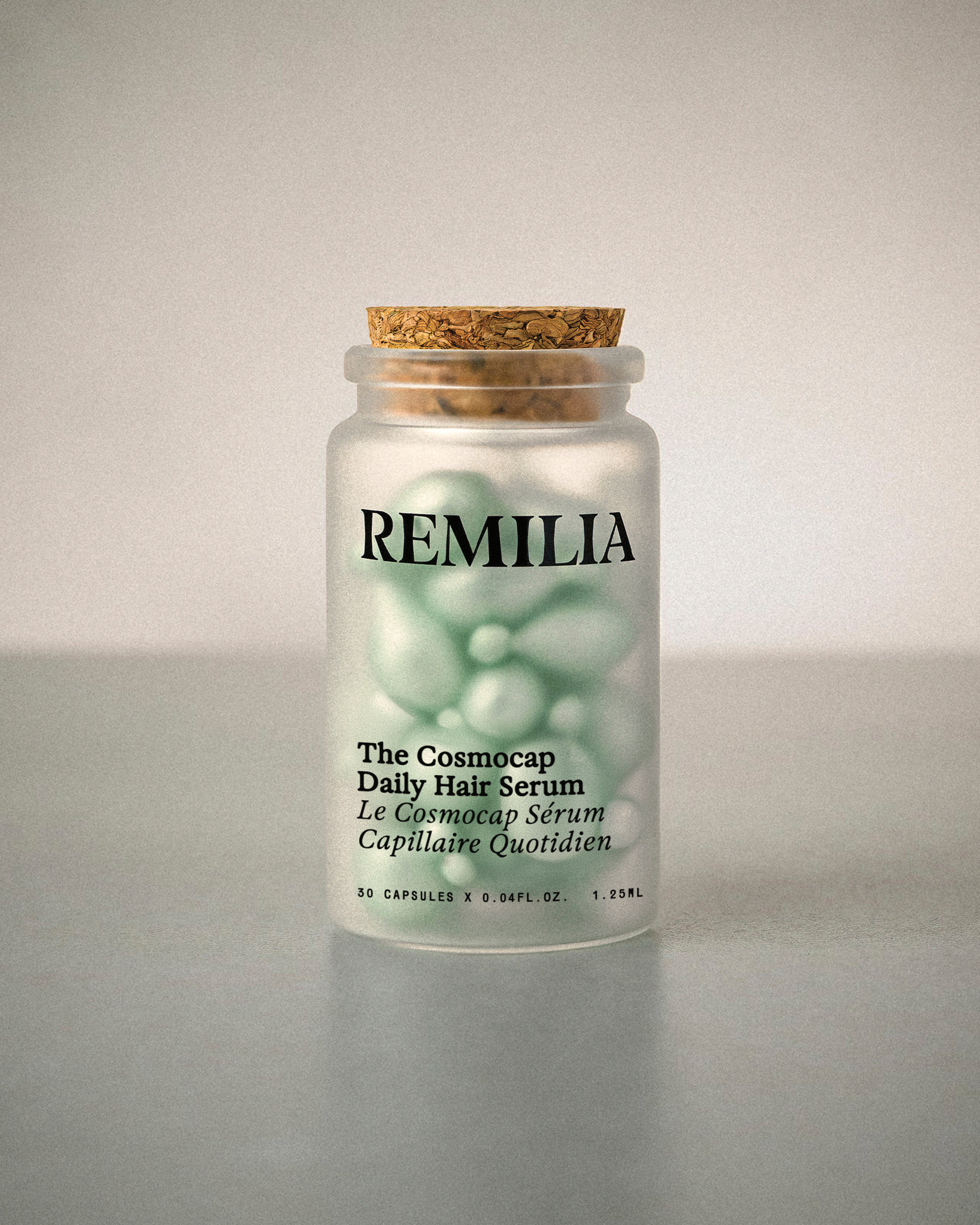
Damage isn't one thing. Split ends, chemical treatments, heat tools, and sun exposure each cause a different kind of damage that heals at its own pace, which is precisely what a strong hair repair serum for damaged hair should be built to address directly. A claim only becomes genuinely useful once it names the type of damage it was tested against and what changed as a result. A vague line like "repairs damage" simply doesn't hold up next to something like "helps strengthen hair to prevent breakage."
"Lightweight" Is Worth Checking Too
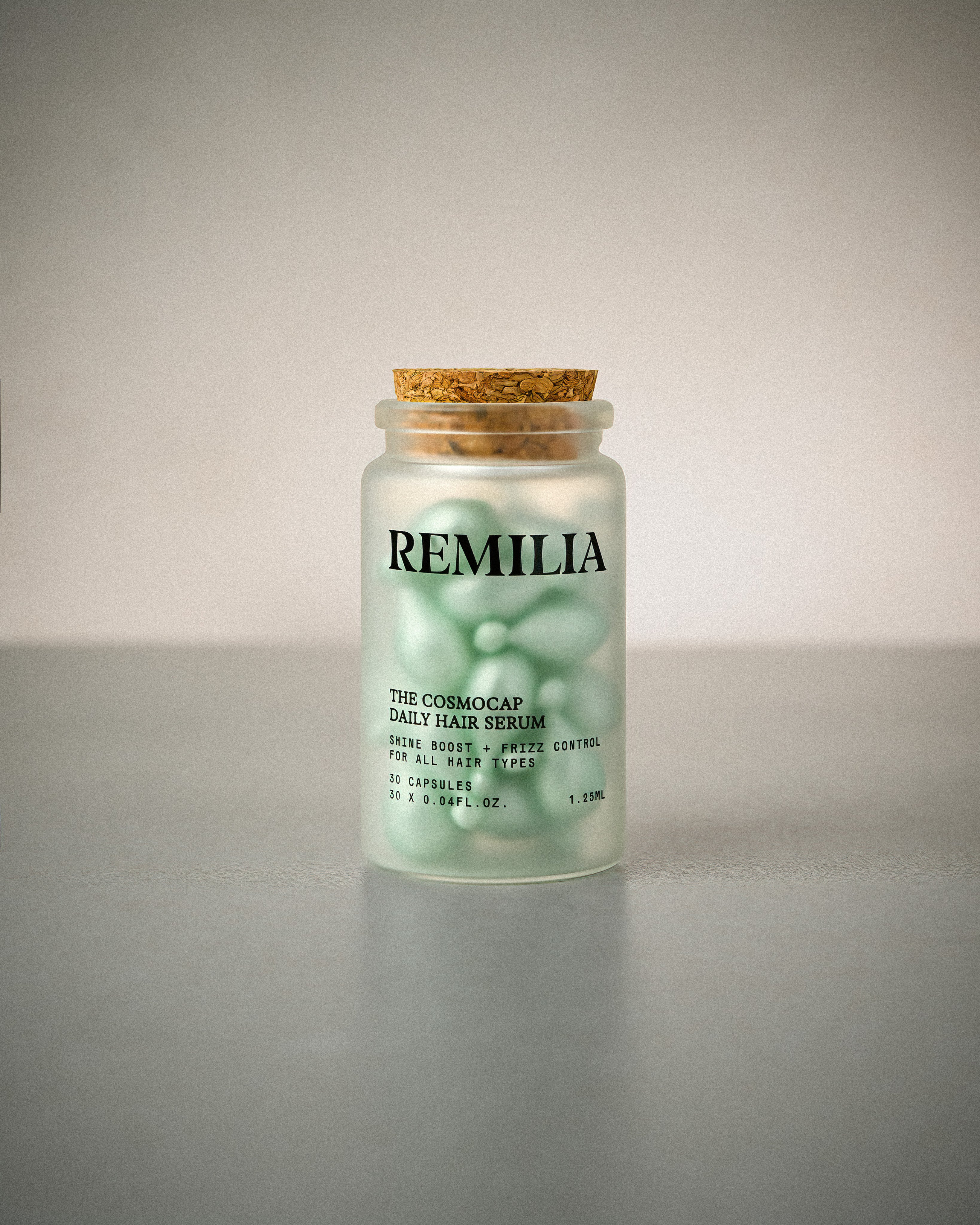
Not everything on a label is a performance claim. With a vegan lightweight hair serum, the word "lightweight" is the key term to test: does it leave a film, feel greasy by afternoon, or genuinely melt into the strands as the packaging suggests? That's a texture question rather than a repair one, and you'll usually know the answer after a single use, no lab coat required.
Put Remilia Hair's claims to the test at remiliahair.com