The Curl Factor Most Routines Rarely Account For: Porosity
Two people with the same curl pattern can get totally different results from the same products. Porosity is usually why — and it takes two minutes to test.
Curl pattern gets most of the attention when it comes to styling curly or wavy hair, yet it doesn't explain why two people with nearly identical curls can get completely different results from the same products. Porosity, or how easily hair takes in and holds onto moisture, is the factor most routines overlook entirely, and in our experience, it matters more than curl shape when choosing haircare. Once you know your porosity, much of the trial and error in a curl routine simply disappears.
A Simple Way to Check Your Own Porosity at Home
You don't need a lab to determine your hair's porosity; just a glass of room-temperature water will do. Drop in a clean strand of hair and watch what happens over the next couple of minutes. A strand that sinks quickly usually indicates high porosity, while one that stays afloat suggests low porosity, since a tighter cuticle keeps water from getting in as easily. A simple test like this beats guessing from curl shape alone, and it takes less time than reading a single product label.
Why Low Porosity Curls Do Better With a Lighter Conditioner
Low-porosity strands retain moisture, so a heavier conditioner tends to sit on the hair's surface, flattening curls by the afternoon. A lighter vegan conditioner perfect for curly hair, like our Rice & Shine, works better here because it can penetrate the strand instead of building up on the surface. High-porosity curls face the opposite problem, which is why a single formula rarely satisfies both hair types.
Sealing Matters More for Some Porosity Types Than Others
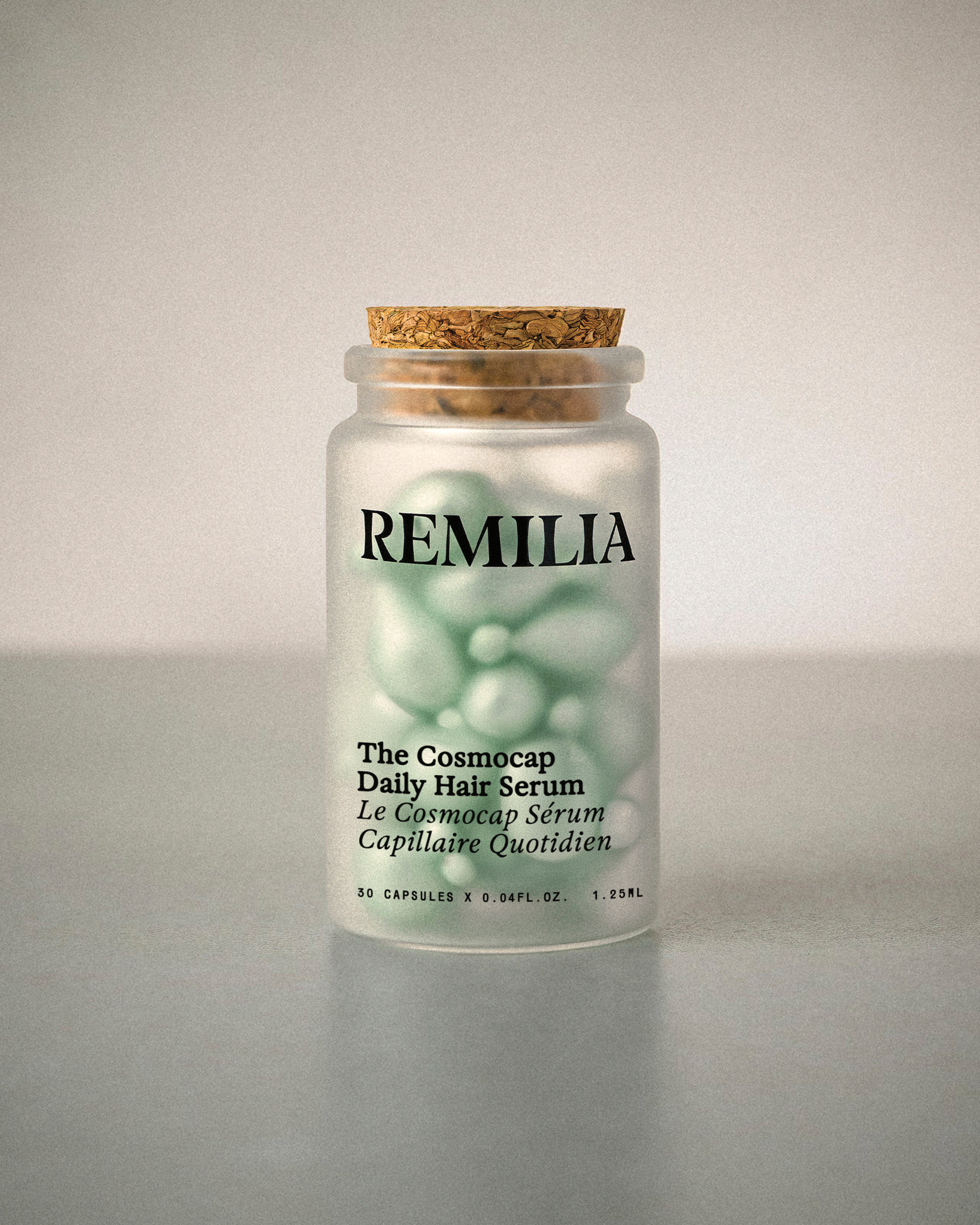
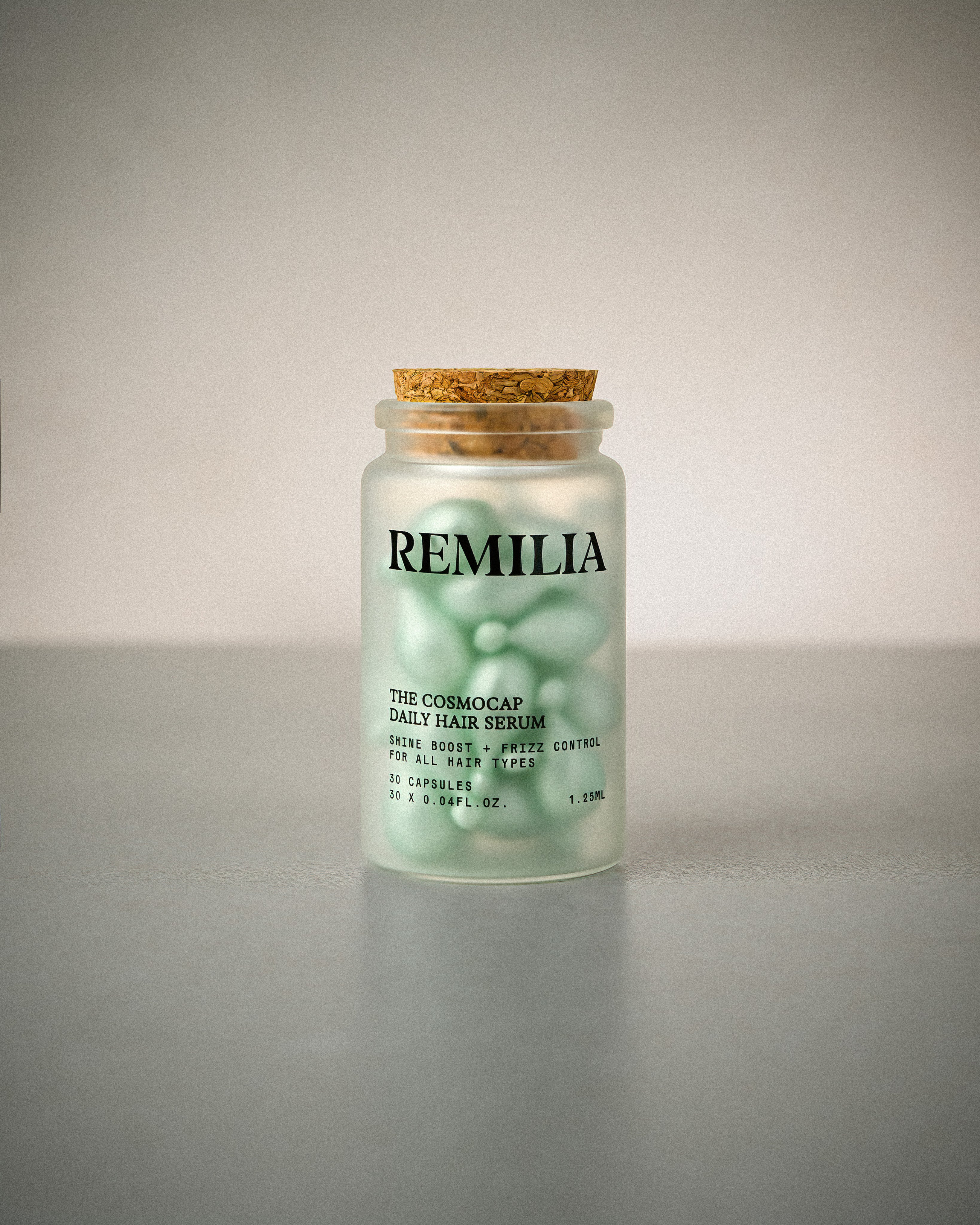
Moisture evaporates quickly from high-porosity strands, so the last step in the routine carries more weight than at other porosity levels. Our vegan hair oil, the Cosmocap, is typically the right tool here, sealing in everything the earlier steps added. High-porosity curls generally need a more generous amount applied to damp hair, while low-porosity curls need only a little to avoid getting weighed down. It's the amount applied, not the specific product, that varies with porosity.
High Porosity Often Means More Damage to Repair, Not Just More Product
High porosity is about more than how hair handles moisture. It's often a sign of cuticle damage caused by color treatments, heat, or everyday friction, which is exactly why our hair damage repair serum earns a spot in a high-porosity routine rather than being a step everyone needs, regardless of hair type.
See our complete routine for curly hair at remiliahair.com