The Hair Barrier: What It Is and Why It's the Foundation of Healthy Hair
Healthy hair starts with a healthy barrier. Learn what damages the hair barrier, how to repair it, and the daily habits that keep hair smooth, strong, and resilient.

Most hair conversations start with products; which shampoo, which treatment, which serum. But before any of that, there's something more fundamental going on: your hair barrier.
When the barrier is intact, hair looks smooth, feels soft, and holds onto moisture. When it's compromised, you get the usual suspects: frizz, dryness, breakage, and that rough texture that no amount of product seems to fix. Understanding what the hair barrier actually is, and how to take care of it, changes the way you think about your entire routine.
What Is the Hair Barrier?
Your hair's outer layer is called the cuticle. It's made up of overlapping, scale-like cells that lay flat against the hair shaft when hair is healthy. Think of it like roof tiles. When everything is in order, they lie flat and protect what's underneath.
Directly beneath the cuticle is the cortex, which contains the proteins (primarily keratin) and moisture that give hair its strength and elasticity.
The hair barrier refers to the combination of the cuticle and a thin lipid layer that coats it. This lipid layer, made up of fatty acids and natural oils, does a few critical things:
- It seals the cuticle so moisture doesn't escape
- It keeps external aggressors from penetrating the hair shaft
- It creates the smooth surface that makes hair look shiny and feel soft
When that barrier is healthy, moisture stays in and damage stays out. When it's damaged, the cuticle lifts, the lipid layer depletes, and things start going wrong quickly.

What Damages the Hair Barrier?
The barrier breaks down gradually, often through everyday habits and environmental exposure:
- Heat styling: Flat irons, curling wands, and blow dryers all strip the lipid layer. Repeated heat exposure causes the cuticle to lift and eventually crack.
- Chemical processing: Color, bleach, relaxers, and perms all alter the cuticle's structure. The more frequently you chemically treat your hair, the more depleted the barrier becomes.
- Harsh cleansing: Sulfate-heavy shampoos and over-washing remove natural sebum, which is part of the hair's protective lipid coating.
- Physical friction: Rough towel drying, sleeping on cotton pillowcases, and aggressive brushing all physically wear away the cuticle over time.
- Environmental stress: UV rays break down the proteins in the cortex and degrade the lipid layer. Pollution deposits particles on the hair shaft that cause oxidative stress, accelerating cuticle damage.
Most people are dealing with more than one of these at a time. A bleached hair color, daily blow drying, and a commute through city air is a fairly normal combination, and it's a lot for the barrier to handle.
Signs Your Hair Barrier Needs Attention
- Hair feels rough or straw-like even after conditioning
- Frizz that doesn't respond to product
- Color fading faster than expected
- More breakage and snapping when brushing
- Hair feels dry by the end of the day, even after washing
- Dullness that doesn't go away
If several of these feel familiar, the issue is likely the barrier itself, not just dryness. Adding more moisture without addressing the barrier means that moisture just escapes again. It's the structural layer that needs support first.
How to Repair and Maintain the Hair Barrier
Step 1: Restore the Cuticle Layer
Deep conditioning treatments are the most direct way to address cuticle damage. A well-formulated mask works by depositing proteins, amino acids, and conditioning agents into and around the hair shaft, temporarily filling in gaps in the cuticle and reinforcing the lipid layer.
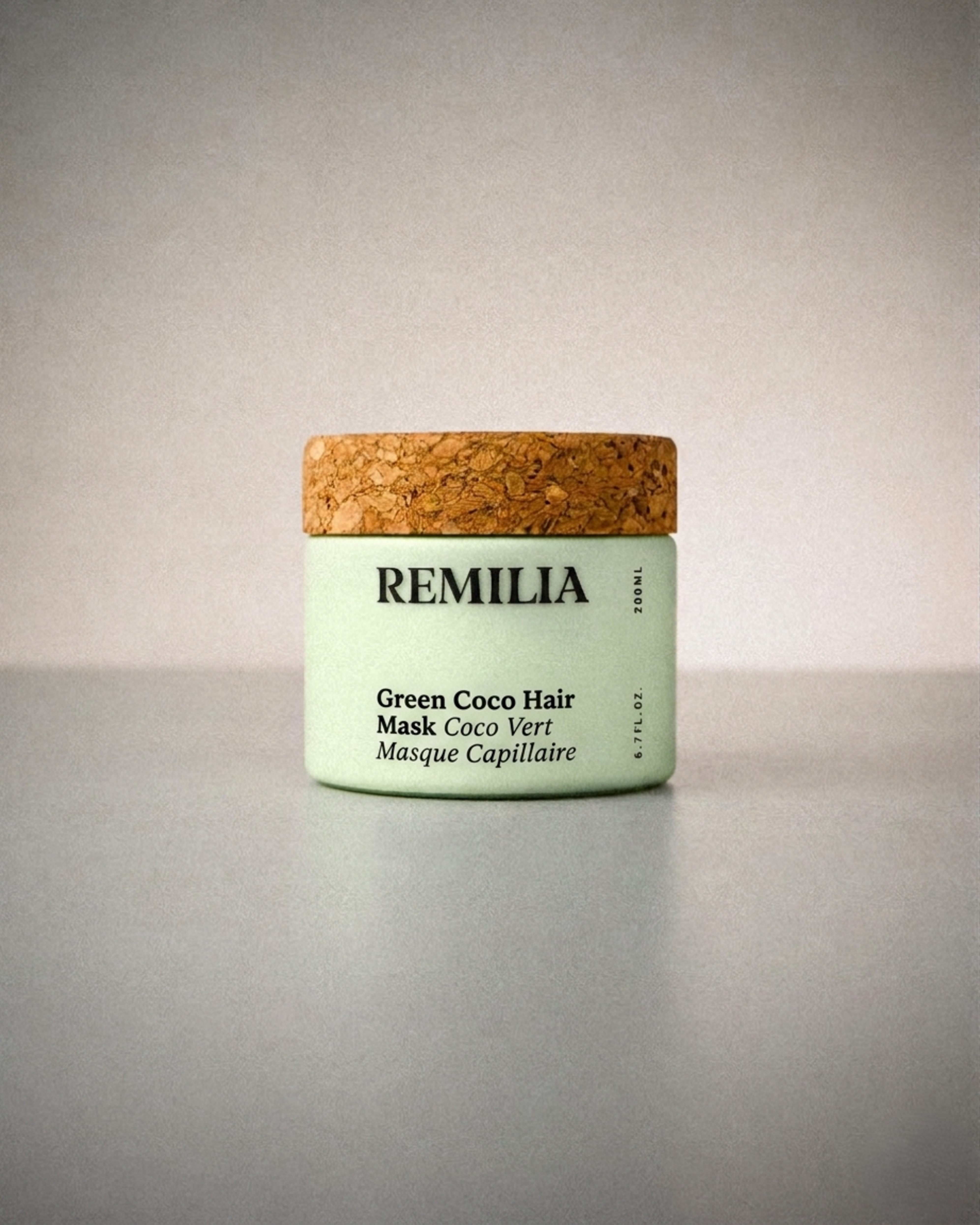
The Green Coco Hair Mask is built specifically around this. It combines coconut oil and avocado oil (which are small enough to penetrate the hair shaft, not just coat it) with a PRODEW amino acid complex that includes histidine and phenylalanine, which are clinically shown to boost hair strength by up to 50%. Hydrolyzed rice protein contributes an additional 44% improvement in hair volume after five uses, according to clinical data on the ingredient.
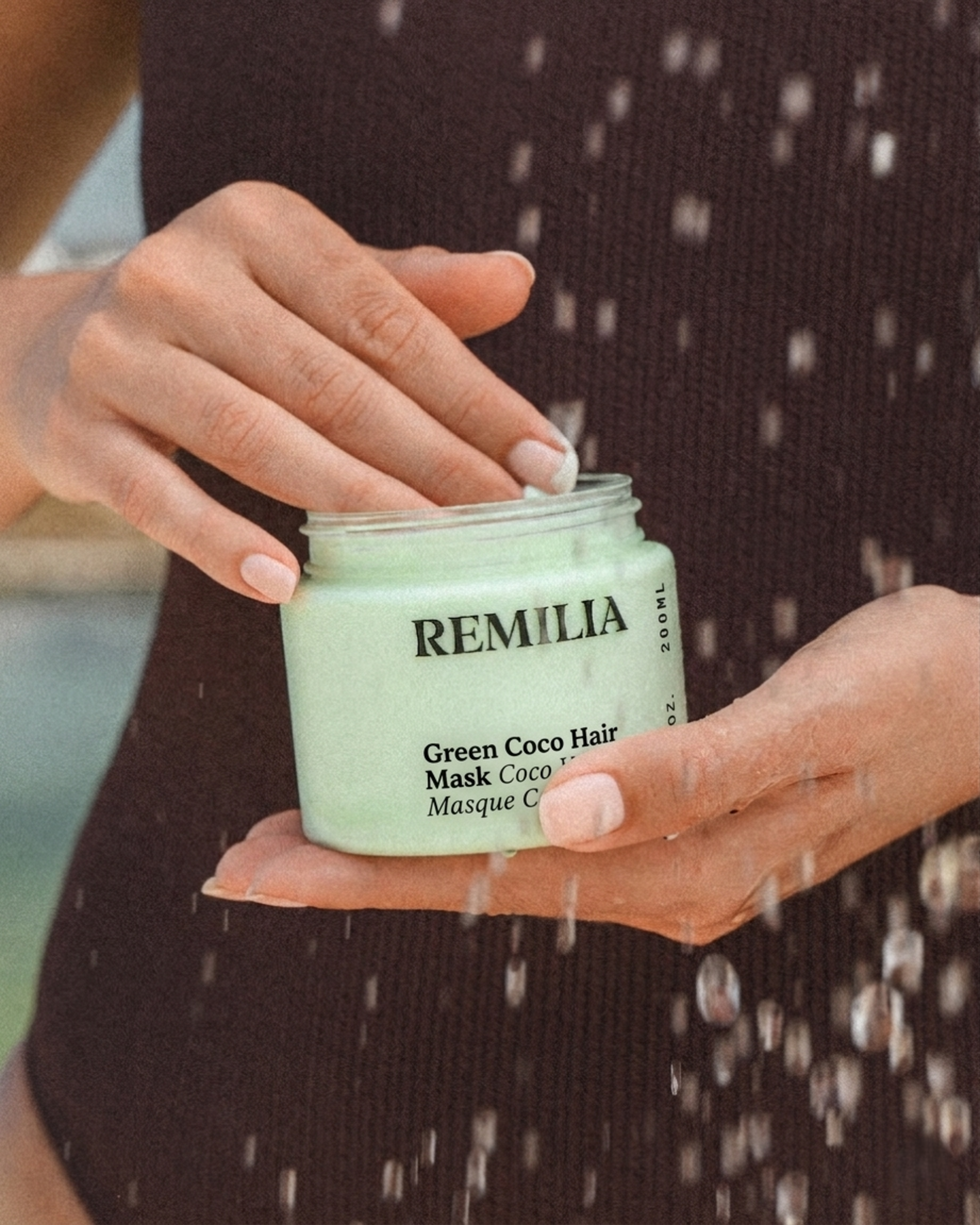
The result is a mask that actually deposits useful material into the hair structure rather than just creating a temporary softness that washes out in a day. Use it 1–2 times per week on clean, damp hair. Leave it on for at least five to ten minutes, or for a more intensive treatment, apply to towel-dried hair and leave on for up to 30 minutes with a warm towel or cap.
The mask is suitable for all hair types, including color-treated, bleached, and chemically processed hair, and it won't weigh fine hair down.
Step 2: Seal the Cuticle Daily
Repairing the barrier through a mask is only part of the equation. You also need to protect what you've rebuilt on a day-to-day basis.
This is where a daily serum comes in. After the cuticle is smoothed during washing, a serum applied to damp hair helps seal it flat before drying, and keeps it there throughout the day.
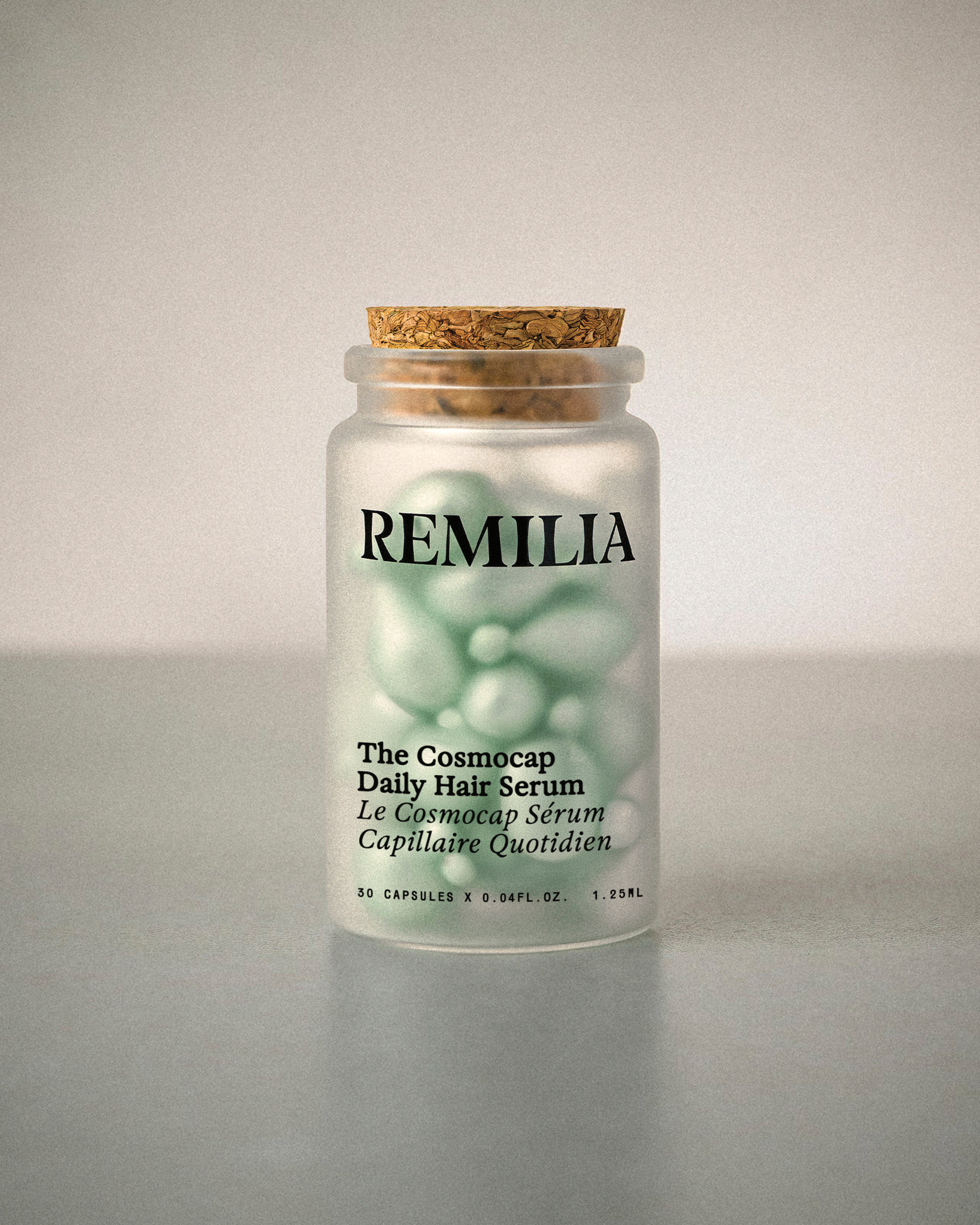
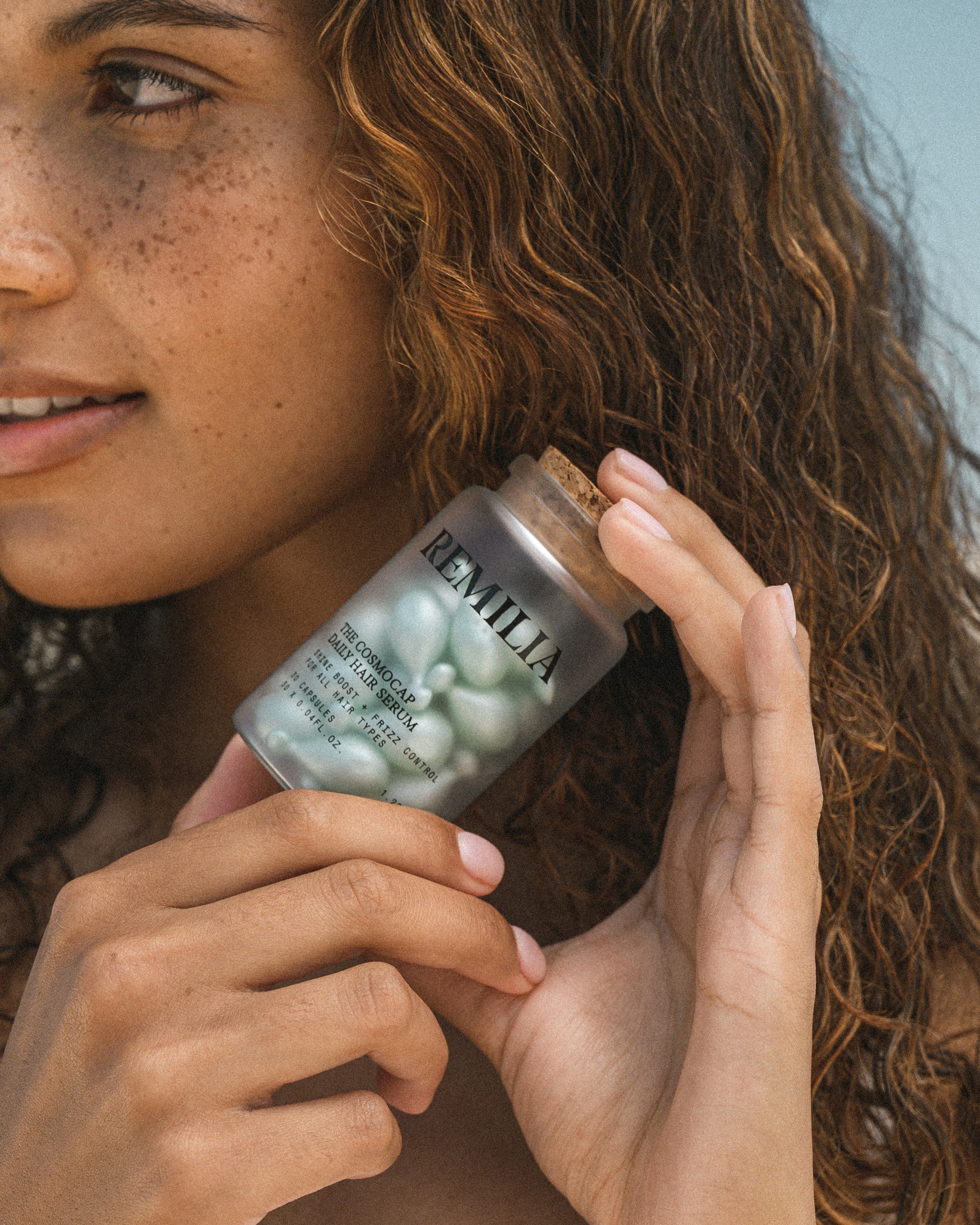
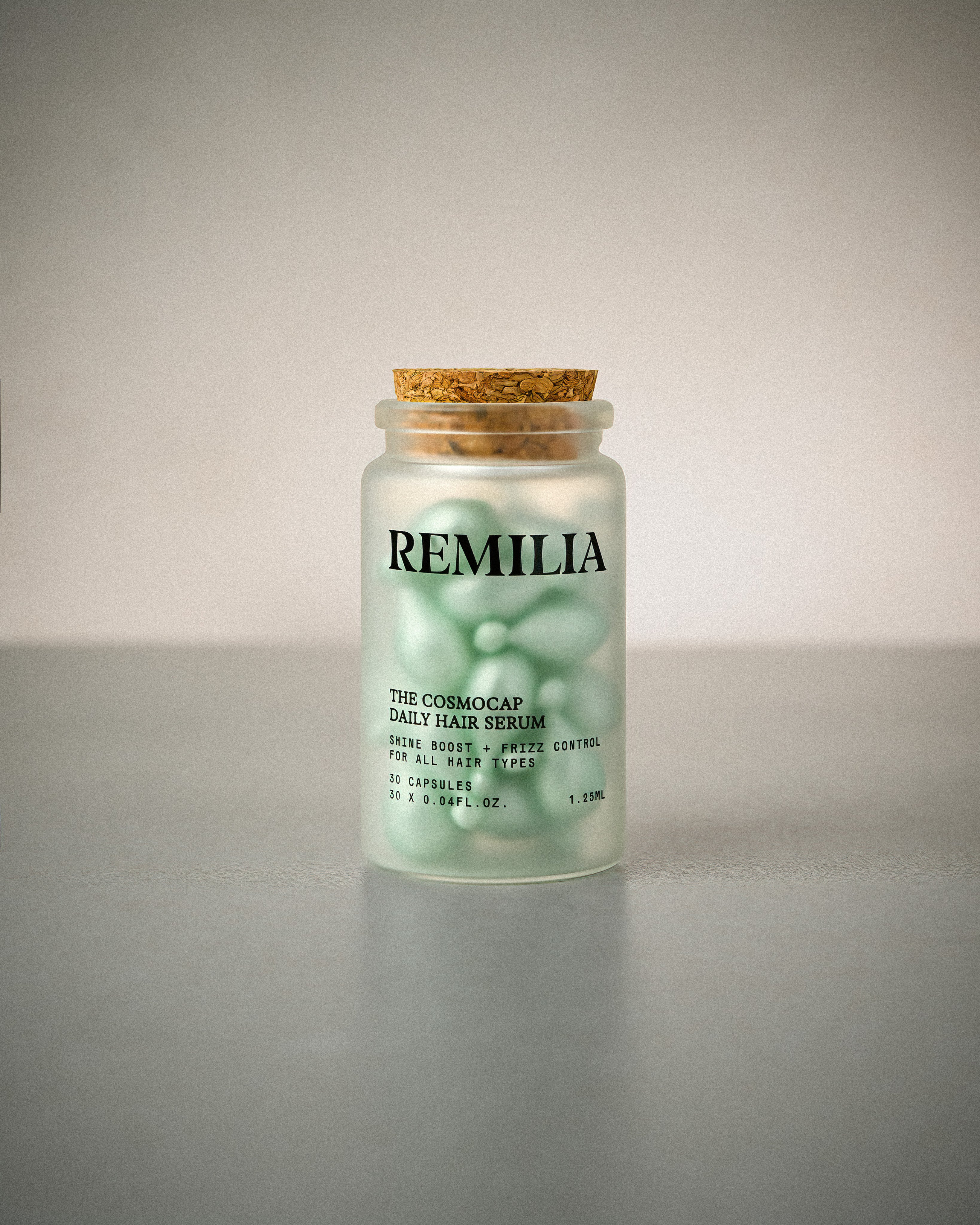
The Remilia Cosmocap Daily Hair Serum is formulated for exactly this. It uses a combination of silk proteins, keratin amino acids, and Vitamin B5 (Panthenol) to reinforce the cuticle surface. 100% of participants in the product's clinical study reported improved shine and softness after a single application. It also reduces combing resistance by up to 2.6x, which directly translates to less mechanical damage every time you brush.
The serum also includes UV-filtering ingredients, which matters because the sun is one of the most consistent contributors to cuticle degradation. It's a clear, silky formula that absorbs without leaving any greasy residue. Fine hair can use half a capsule, and it works on damp or dry hair.
Step 3: Protect from Environmental Damage
Once the barrier is in better shape, protecting it from daily stressors keeps you from having to constantly rebuild.
- Sun exposure: Even on overcast days, UV rays degrade hair proteins and lipids. A serum with UV filters applied before you head out gives daily protection. On very sunny days, wearing a hat over your style is the most effective option.
- Pollution: Urban grime and particulates settle on the cuticle and cause ongoing oxidative stress. Rinsing your hair thoroughly after heavy exposure and using a targeted cleanse on wash days helps clear this buildup before it accumulates.
- Humidity: In humid conditions, the cuticle absorbs moisture from the air and swells, which is what causes frizz. A serum applied after your leave-in conditioner creates a seal that slows this moisture uptake.

A Note on Expectations
Barrier repair is cumulative. One mask session improves things noticeably, but sustained results come from consistent use over weeks, not a single treatment. Most people see a significant change in texture, frizz behavior, and shine after three to four weeks of regular masking combined with daily serum use.
If your hair is heavily bleached or has years of accumulated damage, expect it to take longer. The barrier can't be rebuilt overnight, but it absolutely can be rebuilt.
FREQUENTLY ASKED QUESTIONS
WHAT EXACTLY IS THE HAIR BARRIER? +
The hair barrier is the combination of the outermost cuticle layer of the hair shaft and the lipid coating that surrounds it. Together, they protect the inner structure of the hair from damage, seal in moisture, and create the smooth surface that makes hair look healthy.
CAN YOU ACTUALLY REPAIR A DAMAGED HAIR BARRIER? +
Yes. You can't undo every form of damage, split ends, for example, need to be cut, but regular use of protein-rich, nourishing treatments does restore the cuticle and replenish the lipid layer. The improvement in texture, strength, and appearance can be significant.
HOW OFTEN SHOULD I USE A HAIR MASK? +
For most people, 1–2 times per week is sufficient. If your hair is very damaged or chemically processed, you can lean toward twice a week. Fine hair may prefer once a week to avoid any heaviness.
WHAT'S THE DIFFERENCE BETWEEN A CONDITIONER AND A HAIR MASK? +
A regular conditioner is designed to smooth and detangle after washing. A hair mask has a richer, more concentrated formula designed to penetrate deeper and stay on longer, delivering more intensive repair to the cuticle and cortex.
DO I NEED A HAIR SERUM IF I ALREADY USE A MASK? +
They serve different functions. The mask repairs the barrier during washing. The serum protects it throughout the day, sealing the cuticle after styling and defending against UV rays, humidity, and friction. Using both together gives you repair plus ongoing protection.
IS THE GREEN COCO HAIR MASK SAFE FOR COLOR-TREATED HAIR? +
Yes. The mask is color-safe and can actually help maintain color vibrancy by reinforcing the cuticle, which reduces how quickly color molecules escape the hair shaft.
HOW DOES THE COSMOCAP SERUM PROTECT AGAINST ENVIRONMENTAL DAMAGE? +
The Cosmocap contains UV-filtering ingredients that help shield the hair from solar radiation, which is one of the primary drivers of cuticle degradation and protein breakdown. It also smooths the cuticle surface, making it harder for pollutants and humidity to penetrate.
CAN I USE THE COSMOCAP EVERY DAY? +
Yes. It's formulated for daily use, lightweight enough not to build up, and regular use helps support the barrier rather than deplete it.
MY HAIR FEELS DRY EVEN RIGHT AFTER WASHING. IS THAT A BARRIER ISSUE? +
Likely, yes. When the cuticle is lifted and the lipid layer is depleted, moisture exits the hair shaft quickly, so even freshly washed hair can feel dry within hours.
WHAT'S THE BEST WAY TO LAYER PRODUCTS FOR BARRIER PROTECTION? +
Always apply water-based products first, such as a leave-in conditioner, then follow with a serum or oil-based product to seal. This traps moisture inside the hair shaft rather than applying a sealer to dry hair.