The Order You Apply Hair Repair Products In Actually Matters
Owning a mask, conditioner, and serum isn't the hard part — using them in the right order is. Here's why sequence changes everything.
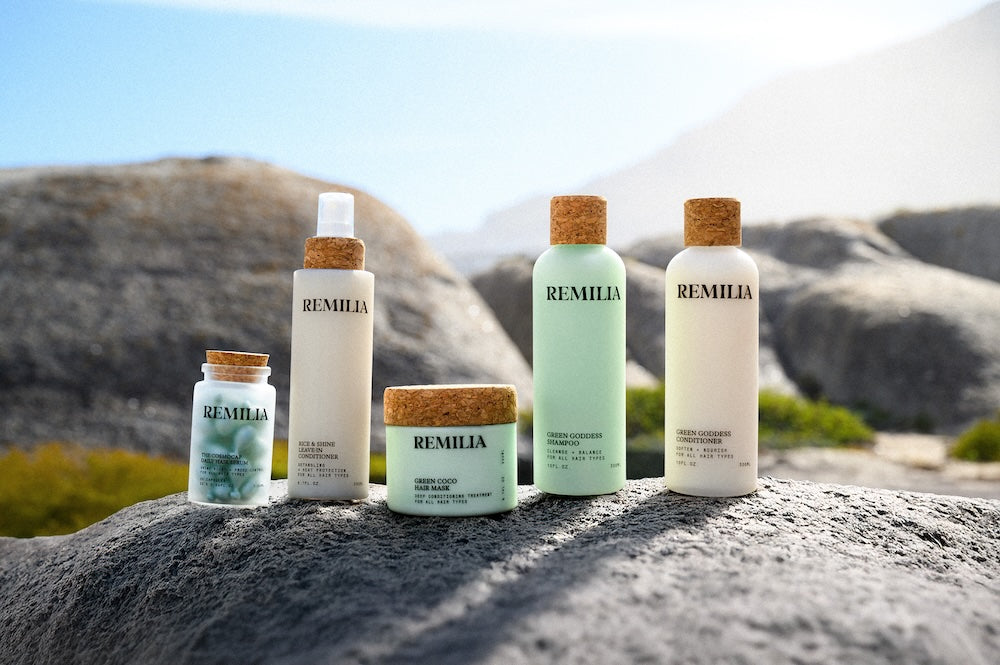
Most bathrooms have a mask, conditioner, and serum. The real issue isn't owning these products but using them in the right order. A mask offers repair beyond daily care; conditioner maintains manageability; and a hair repair serum seals in the results. Mis-timing the sequence makes even a good routine less effective because steps compete rather than build on each other.
The Deep Work a Weekly Mask Handles That Conditioner Doesn't
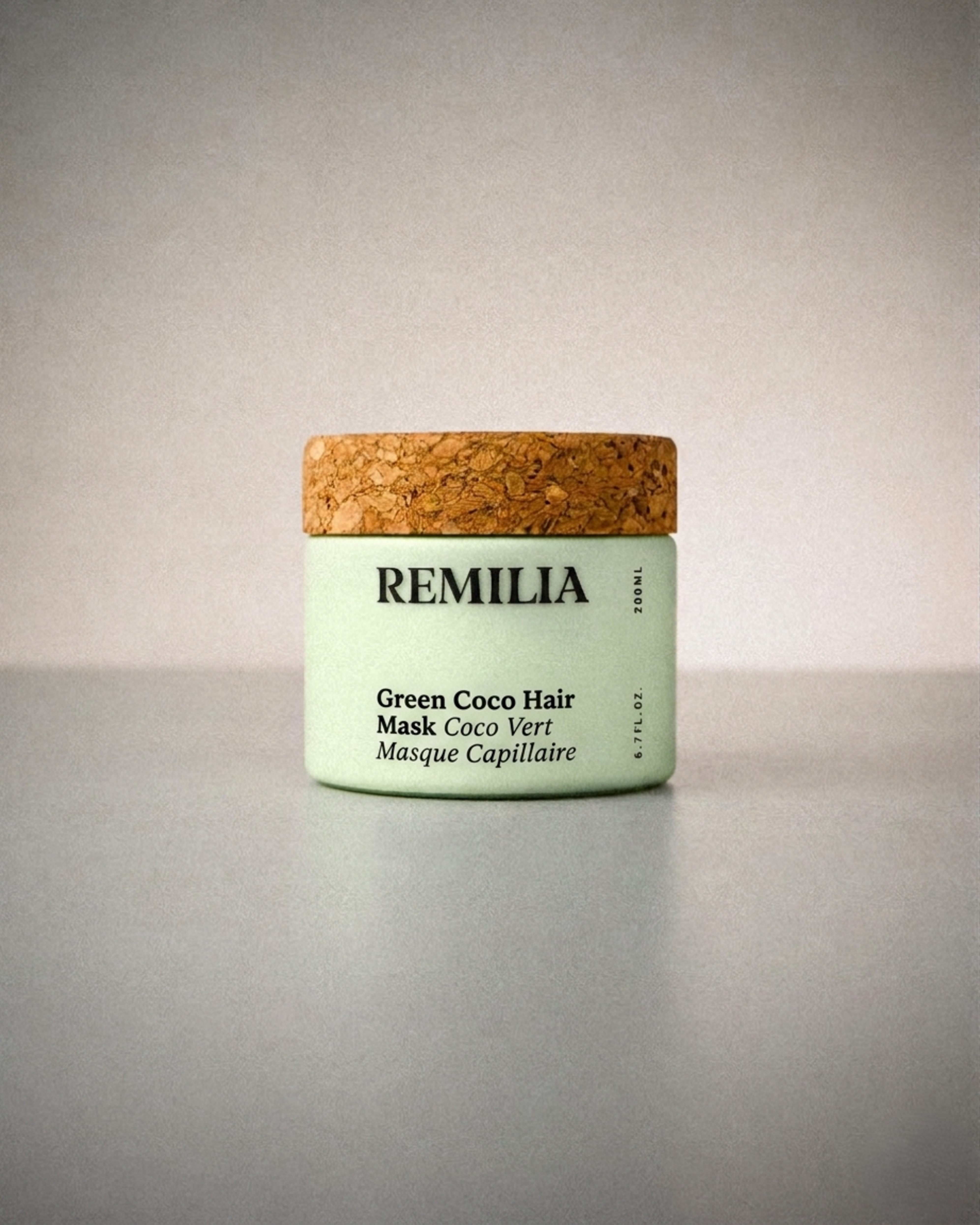
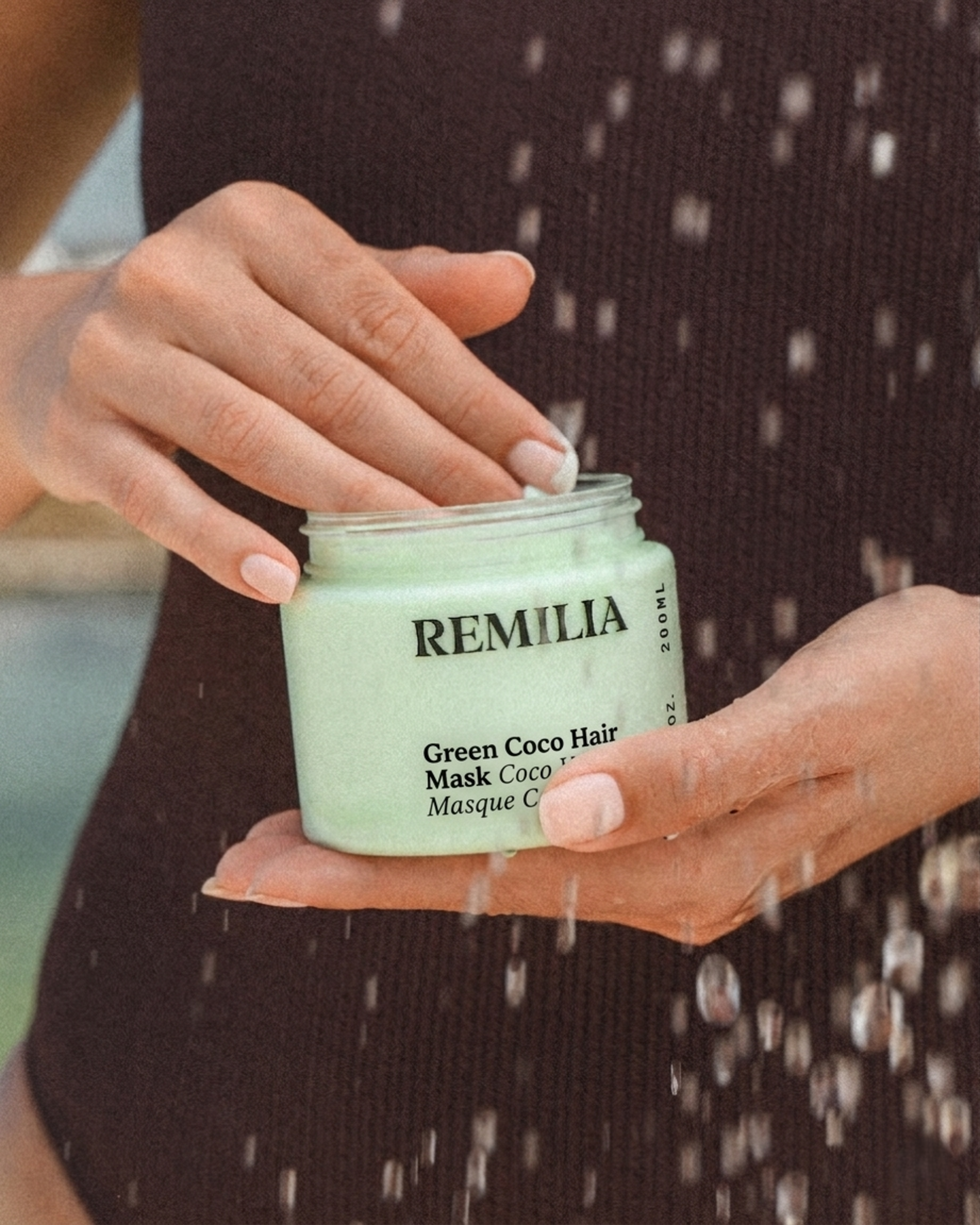
A hair mask for healthier hair only needs a handful of minutes, once or twice a week, to earn its place in your routine. During this short window, an amino acid complex and hydrolyzed rice protein have time to work beyond the surface of the strand, where a fast rinse never reaches.
This extra depth is the real distinction between repair and upkeep. Reaching for more conditioner instead of a mask might leave hair feeling softer for the moment, but it bypasses the one step actually designed to rebuild strength, so the results never quite catch up.
The Daily Job a Moisturizing Conditioner Is Meant to Do
Undoing damage isn't part of a daily conditioner's job description. Its real task is keeping hair easy to manage between deeper treatments that actually repair it. A vegan moisturizing conditioner formulated with rosemary oil, avocado oil, and a hydrolyzed vegetable protein blend softens and detangles strands after every wash without adding any weight. On days when a mask isn't in the plan, this step keeps hair from feeling unmanageable by the second wash.
Why the Serum Goes Last
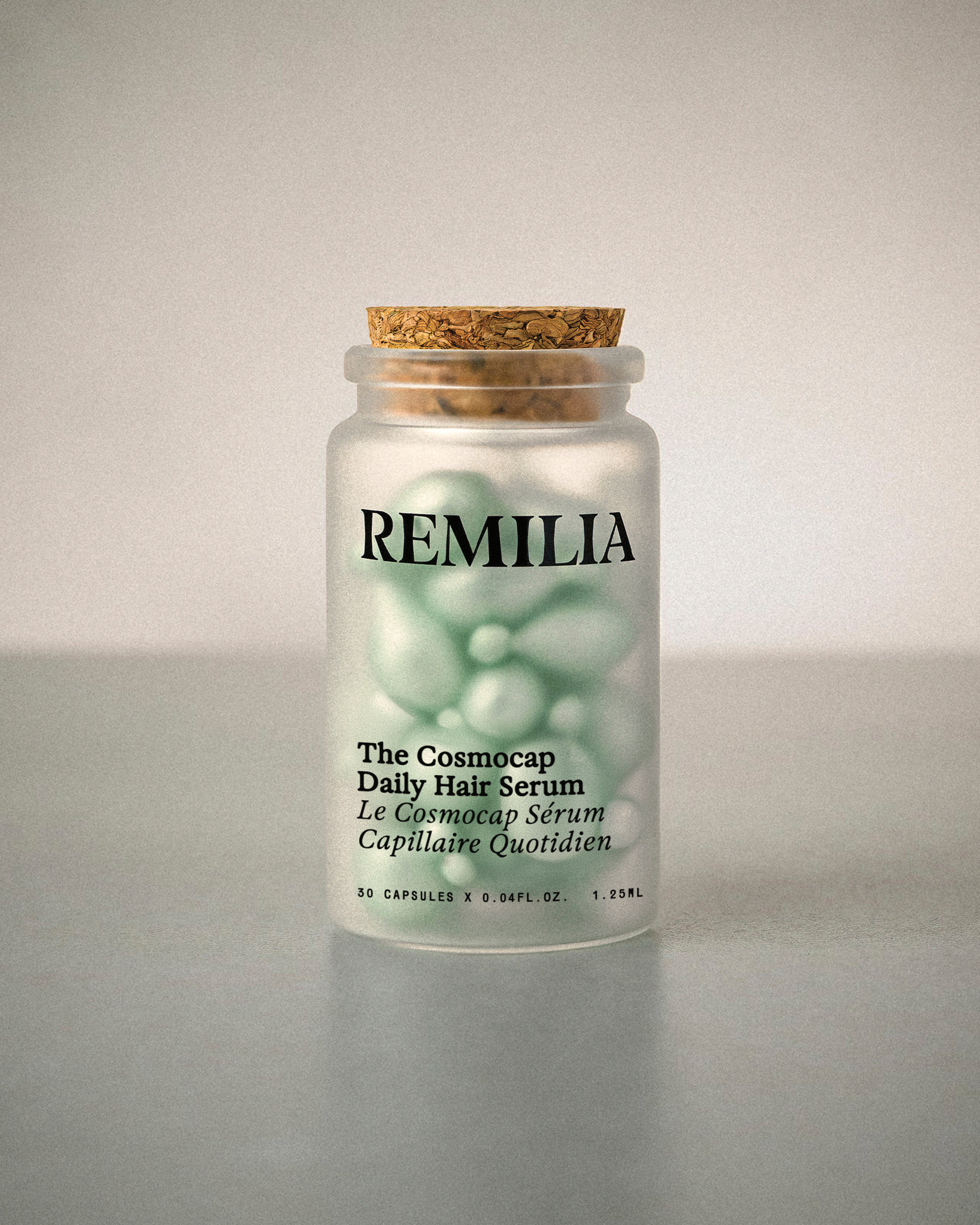
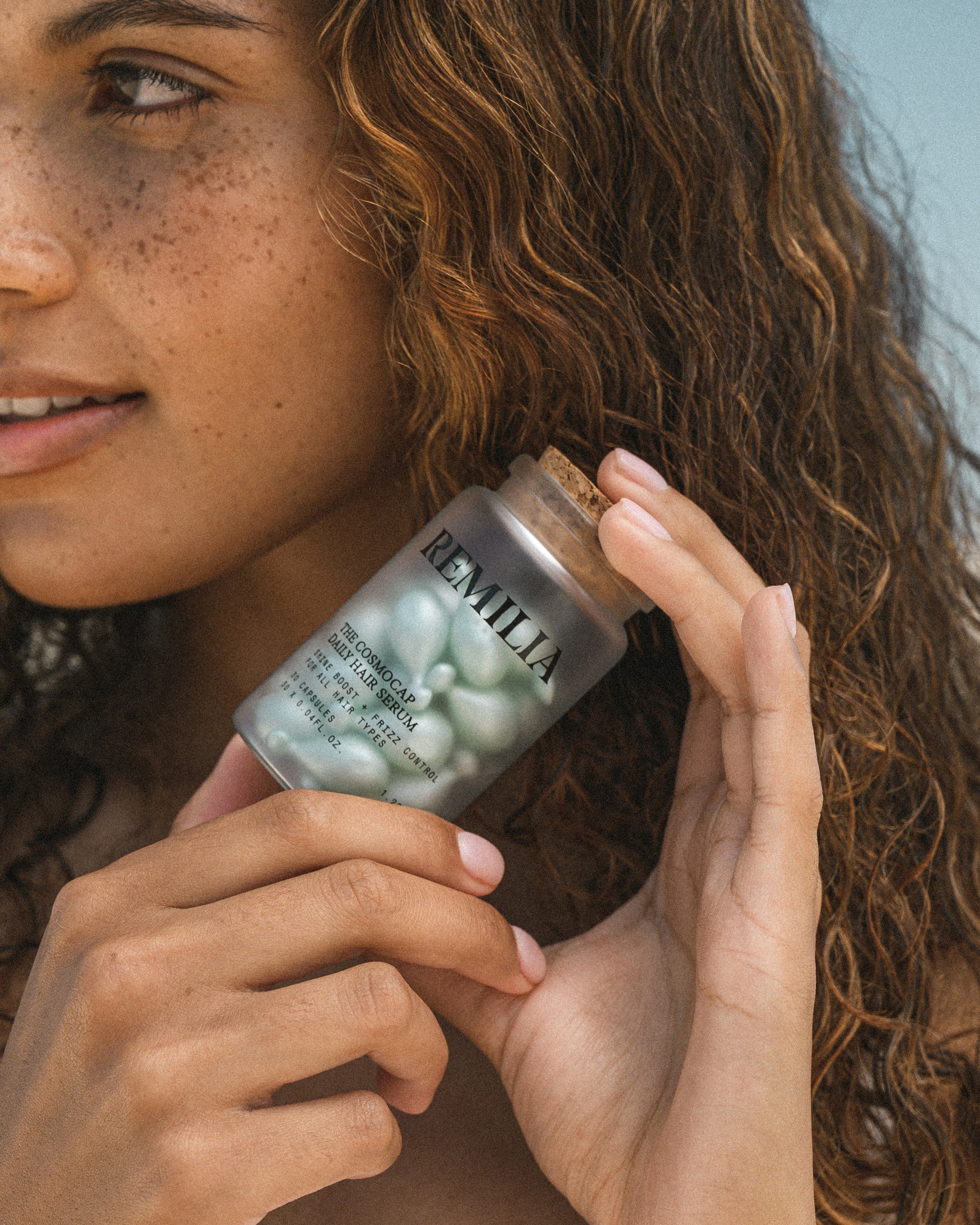
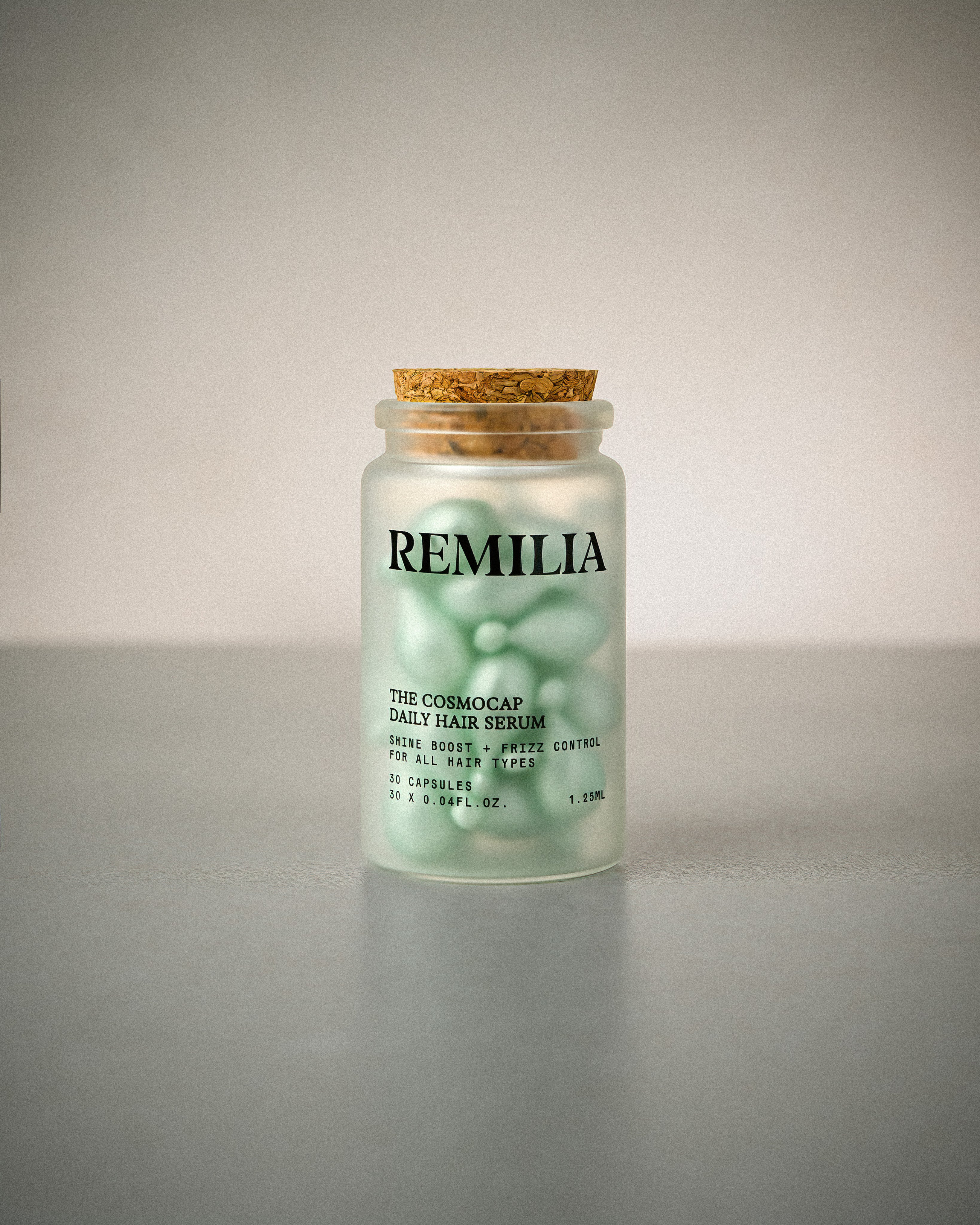
Sequence counts most at the finish line. A hair repair serum belongs on damp mid-lengths and ends, applied only after shampoo and conditioner have finished doing their part, so it seals in the progress those earlier steps made rather than fighting for space too early in the routine.
This is when silk protein, keratin amino acids, and panthenol finally get to do their real job of sealing rather than competing for space. A serum rarely shows its full potential in isolation, and skipping straight to it without the mask or conditioner beforehand leaves those ingredients with far less to seal in. Used as the finishing touch in a complete wash-and-condition ritual, it works noticeably harder.
Find the rest of Remilia Hair's repair routine at remiliahair.com.