Hydration & Texture: The Recovery Guide
What is a deep-hydration mask?
A deep-hydration mask is a rinse out treatment used to restore moisture and softness by leaving it in longer than a daily conditioner. It is not a leave-in or a daily conditioner. You apply it after shampooing and let it sit. Because it stays on the hair longer than a standard conditioner, it has the time required to actually move moisture and softness back into the fiber.
Use a deep-hydration mask if you have:
Frizz and Dryness: You need a smoother surface for easier styling.
Color-Treated Strands: You want to hydrate without watching your expensive color go down the drain.
Heat Styling: You need to offset the moisture loss from your tools.
Fine Hair: You're looking for moisture that won't leave your hair flat and greasy by noon.

The Science of Softness
Hydrating masks use humectants (like glycerin or hyaluronic acid) to pull water into the hair, emollients (oils and esters) to create that slip and softness, and occlusives to seal it all in so the moisture doesn't just evaporate. Sometimes, brands add proteins or bond-rebuilders to provide a temporary structural patch for hair that’s snapping.
How to Use a Hydration Mask for Real Results
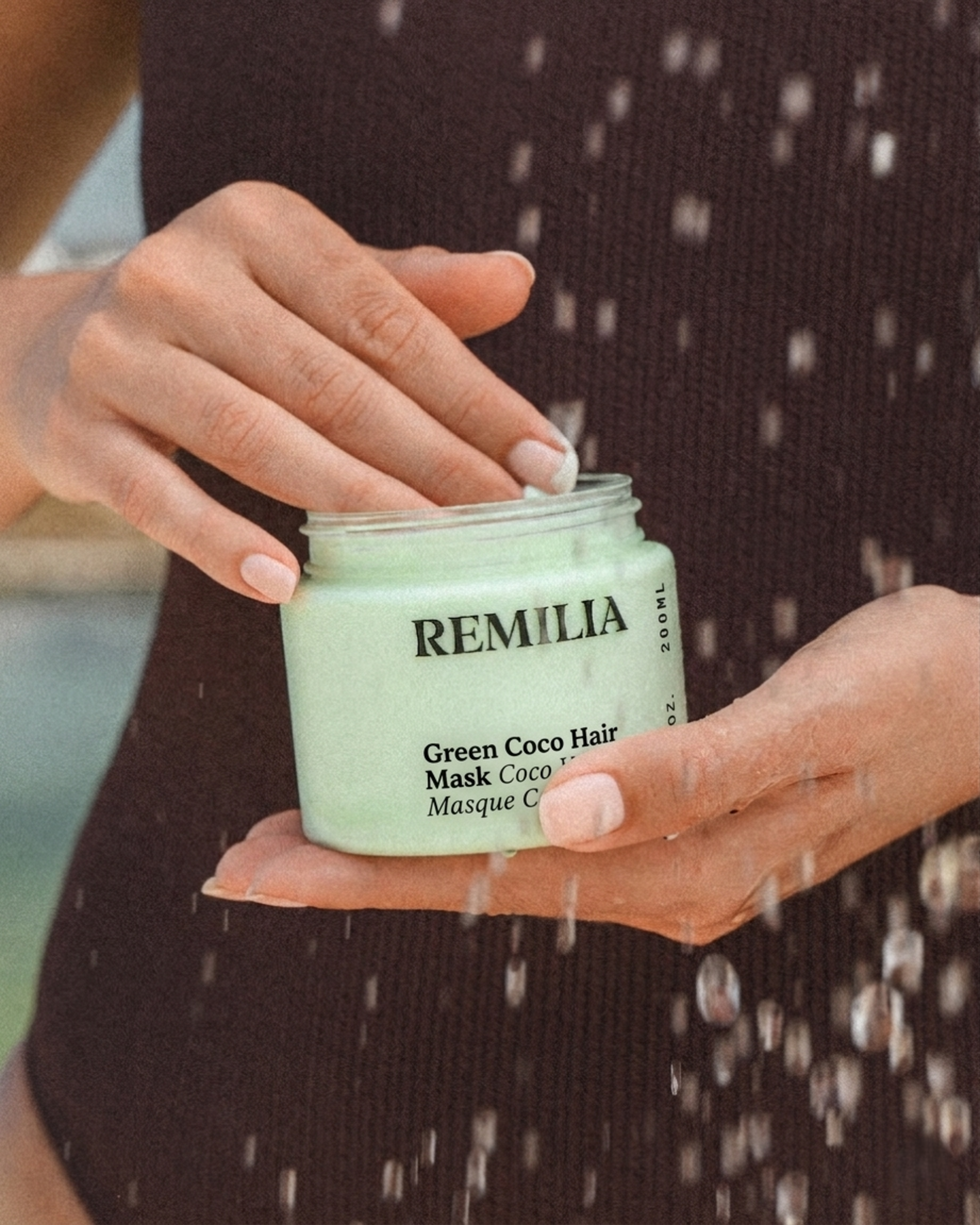
Using a mask isn’t complicated, but small mistakes can cancel out the benefits. Start after shampooing, when your hair is clean but not soaking wet. Gently squeeze out excess water first. If your hair is dripping, the product gets diluted before it can do its job.
Apply the mask from mid-lengths to ends, where dryness and damage show up. Use just enough to coat the hair. Overloading won’t speed up results, it just makes rinsing harder. Let it sit for a few minutes. This is what separates a mask from a conditioner: time. That extra contact allows the ingredients to properly bind to the hair and improve texture.
Rinse thoroughly. If your hair feels heavy or coated after drying, it’s usually a sign you used too much or didn’t rinse fully. Consistency matters more than intensity. One proper application a week will do more than occasional overuse.
Why Your Hair Still Feels Dry (Even After Conditioning)
If your hair still feels rough after conditioning, the issue usually isn’t your shampoo, it’s how moisture is (or isn’t) getting into the hair.
-
Conditioners work on the surface.
They smooth and detangle, but they don’t stay on long enough to meaningfully restore moisture. That’s why hair can feel soft in the shower but dry again a few hours later.
-
Water dilution is a hidden problem.
Applying products to soaking wet hair weakens their effectiveness. The formula gets watered down before it can properly absorb.
-
Buildup blocks results.
If there’s residue from styling products or heavy oils, hydration can’t penetrate evenly. Instead, it sits on top.
-
Too much protein can backfire.
Protein helps with strength, but overdoing it can make hair feel stiff or straw-like. If your hair feels hard instead of soft, you likely need more moisture, not more repair.

Inside the Green Coco Mask: What Actually Hydrates Your Hair
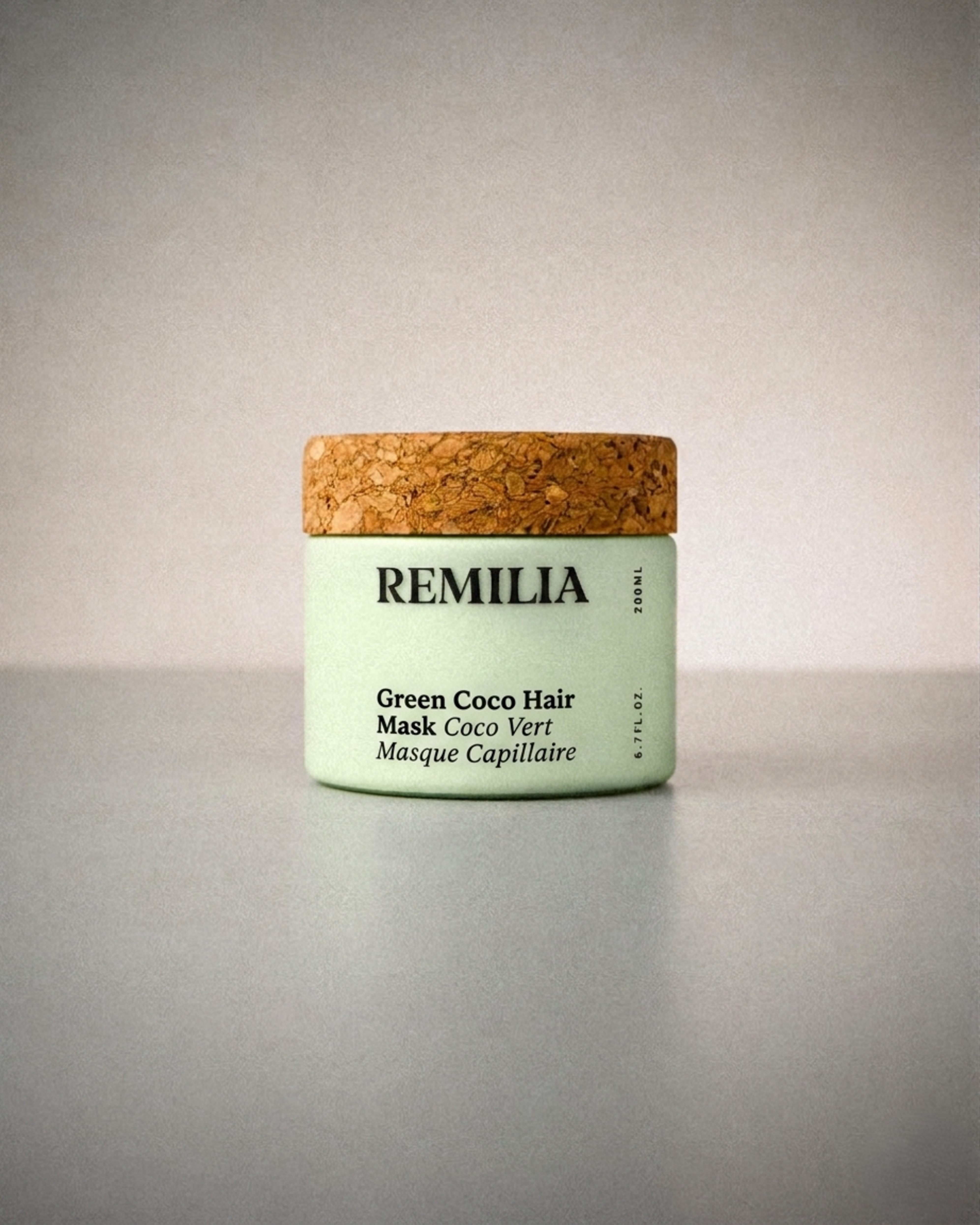
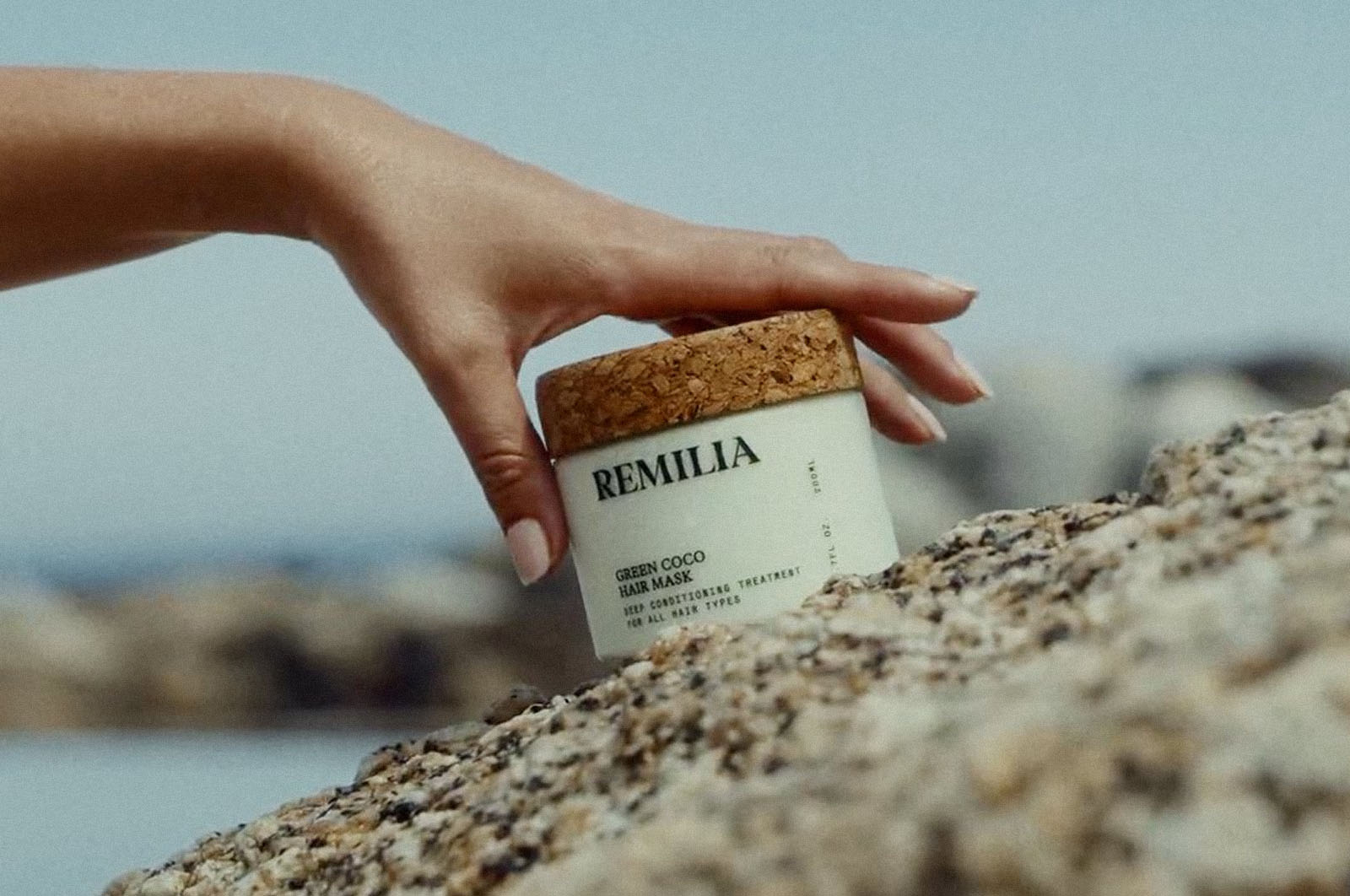
Hydration happens not just by adding moisture. Hydration that lasts needs to be sealed in. The Green Coco Hair Mask is built around three key components:
| Component | What It Does | Why It Matters for Your Hair |
| Humectants | Draw moisture into the hair fiber | Help rehydrate dry strands from within, improving softness and flexibility |
| Emollients | Smooth the hair surface and add slip | Coconut-derived oils and conditioners reduce roughness, making hair feel soft and easier to detangle |
| Proteins & Amino Acids | Reinforce weakened areas of the hair | Improve strength and reduce breakage without making the hair feel stiff |
The balance matters. Too much oil leaves hair heavy. Too much protein makes it stiff. Too little of either, and the results don’t last. When the formula is right, the result is immediate: softer texture, easier detangling, and hair that feels more flexible.
FREQUENTLY ASKED QUESTIONS
WHO SHOULD BE USING THE GREEN COCO HAIR MASK? +
Anyone dealing with dry, frizzy, or over-processed hair. It’s especially useful if your ends feel rough, tangled, or crunchy, or if you regularly use heat or color treatments.
HOW OFTEN SHOULD I USE THE GREEN COCO HAIR MASK? +
Start with once a week. If your hair is very dry or damaged, you can increase to twice a week. The key is consistency, not overuse.
HOW IS A MASK DIFFERENT FROM A REGULAR CONDITIONER? +
Conditioner works on the surface for quick softness and detangling. A mask is left on longer, giving ingredients time to actually improve hydration, texture, and manageability.
WILL THE MASK WEIGH DOWN FINE HAIR? +
It can if overused or applied too close to the roots. For fine hair, apply a small amount only to the mid-lengths and ends, and rinse thoroughly. Used correctly, it hydrates without flattening volume.
HOW LONG SHOULD I LEAVE IT ON? +
A few minutes is usually enough for noticeable results. Leaving it on longer won’t necessarily improve performance, but consistency over time will.
WHY DOES MY HAIR STILL FEEL DRY AFTER USING A MASK? +
The most common reasons are applying it to soaking wet hair, which dilutes it, not using enough product to fully coat the ends, or not using it consistently. Buildup from other products can also block absorption.
CAN I USE THE MASK WITH OTHER STYLING PRODUCTS? +
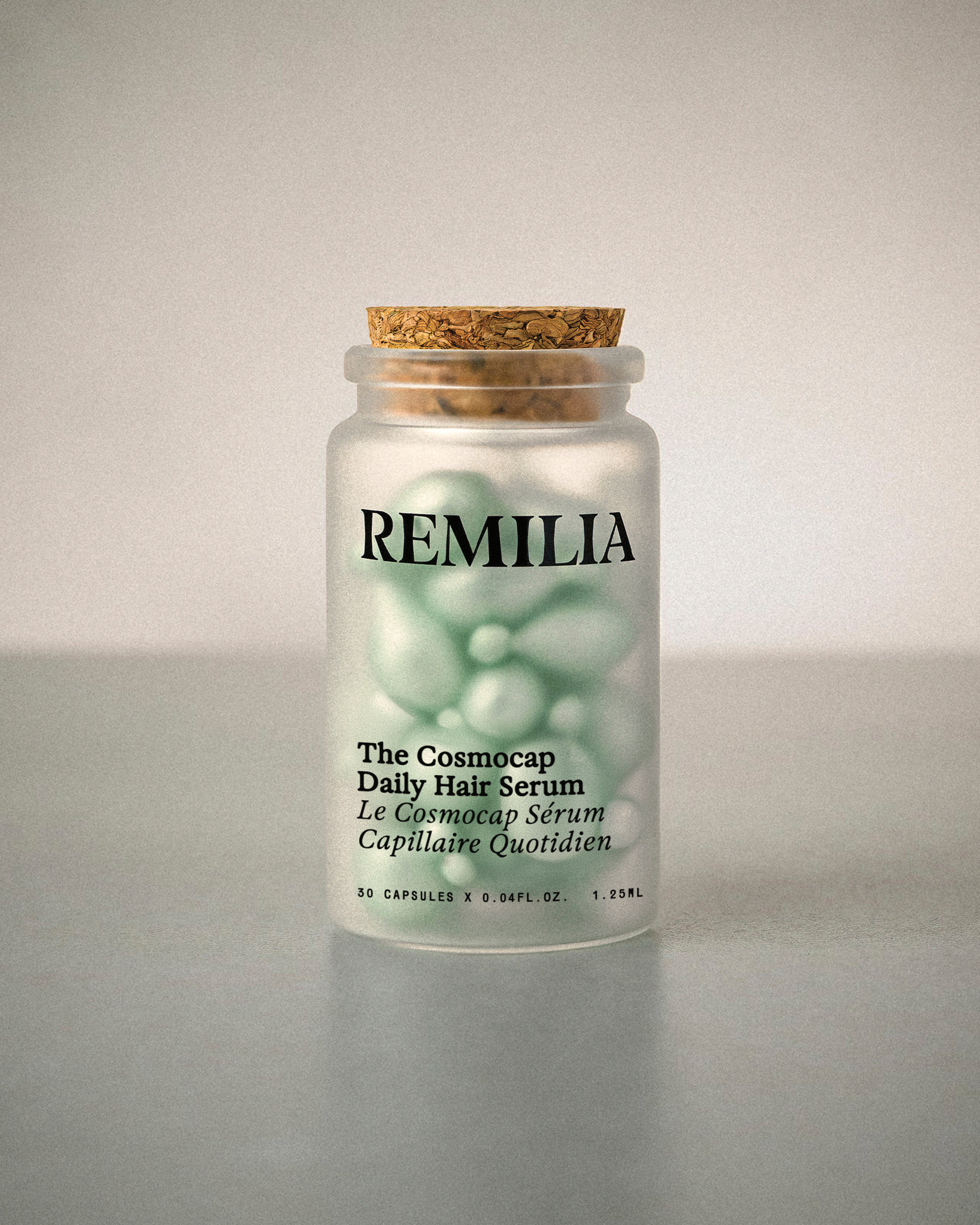
Yes. The mask is your weekly reset step. After rinsing, you can follow with lighter products like a leave-in or serum for daily maintenance and styling.
WILL IT HELP WITH FRIZZ, OR JUST DRYNESS? +
Both. By improving hydration and smoothing the cuticle, the mask reduces frizz while making hair softer and easier to manage.
DOES THE GREEN COCO MASK CONTAIN PROTEIN, AND IS THAT SAFE FOR REGULAR USE? +
Yes, it includes proteins and amino acids to help strengthen the hair. The formula is balanced to avoid stiffness, but if your routine already includes a lot of protein-heavy products, you may want to alternate with purely hydrating steps.